The DMD
Children with delayed motor development (DMD) are young patients who show a delayed acquisition of motor milestones compared to the normal range of their peers from the same population, even in the absence of overt neurological damage.
However, the delay is often simply filled in a longer time frame, until a complete development overlapping with their peers is achieved, without the differences with other children persisting.
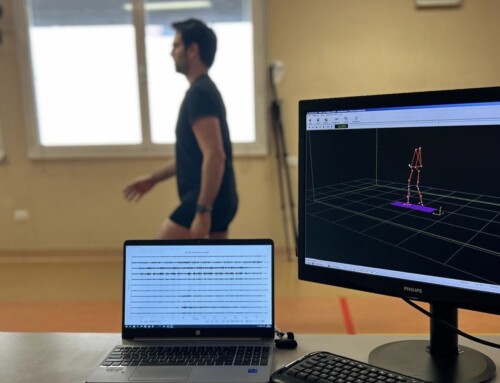
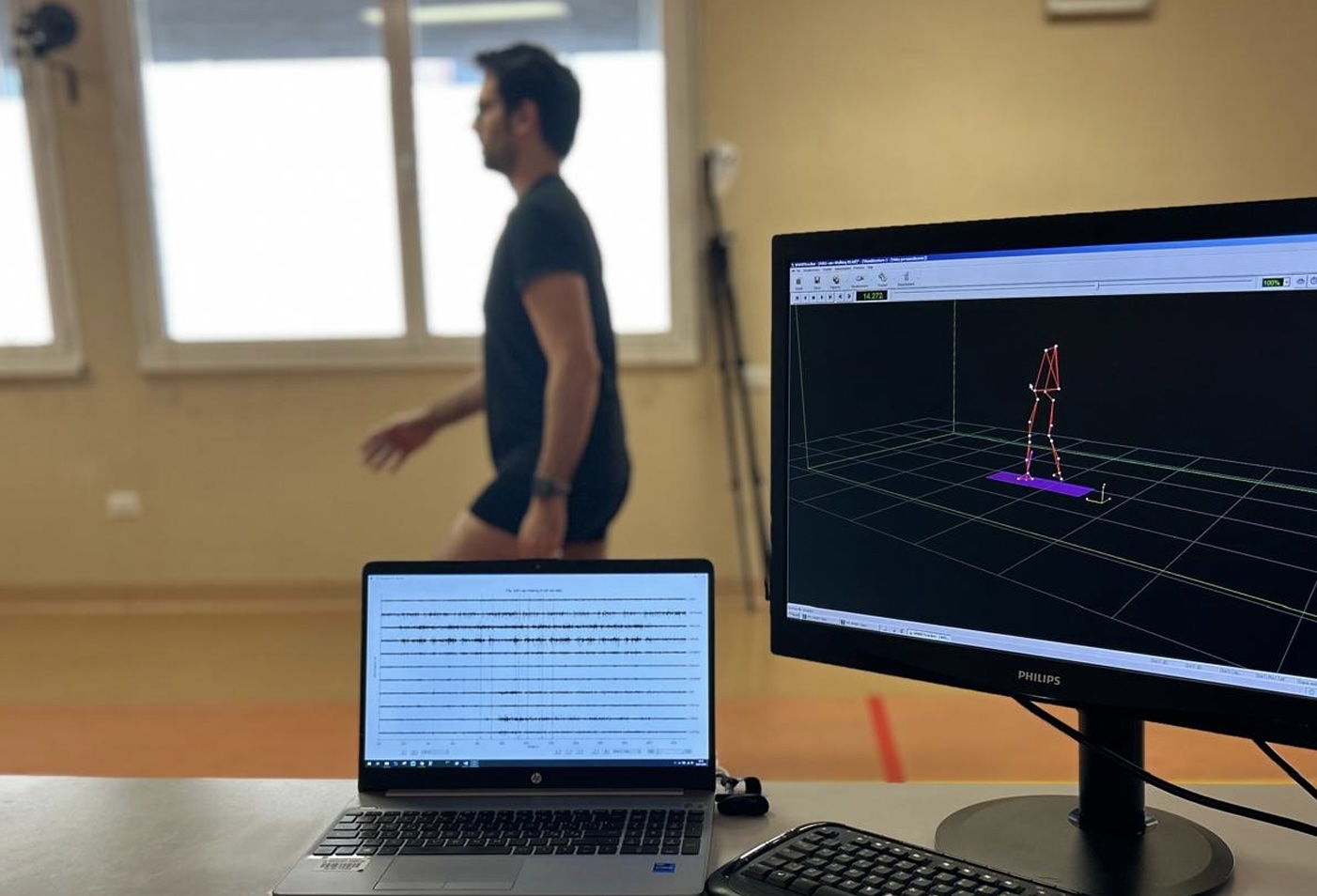
Assessing coordination through kinematic data
Together with Dr. Monica Cazzagon of the IRCSS “Eugenio Medea“, we conducted a kinematic analysis study on a sample of DMD children, in order to assess the motor coordination of their dominant upper limb.
MBE was responsible for the protocol set-up, the analysis of the data obtained and the computation of summarizing indices of motor performance.
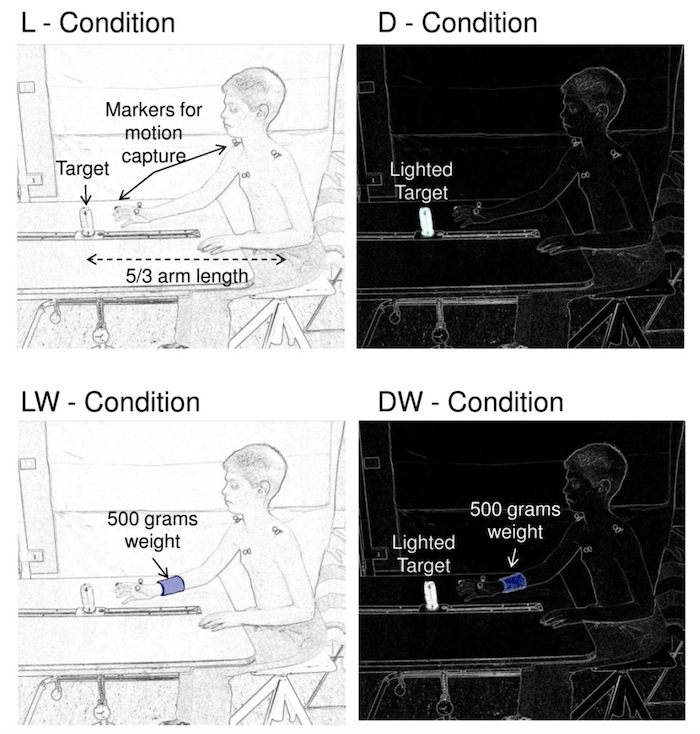
Children were asked to reach and grasp an object placed on a table in front of them, initially without outside interference. Then, in order to manipulate sensitive afferences, gradual difficulties were added, asking for the repetition of the same task in the dark (with the target illuminated) and then for the same reaching gesture with a weight hooked on the wrist; finally, the dark + weight combination was tested in the last acquisition.
This protocol was a stunning idea by Dr Cazzagon!
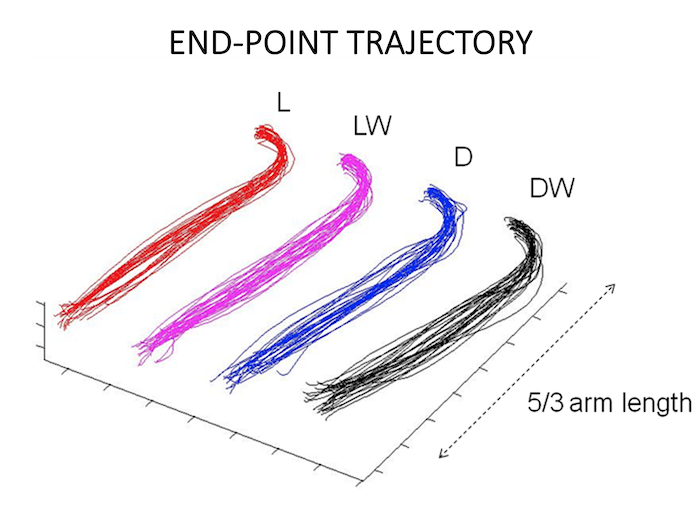
Kinematic data showed that as interferences increased, the difficulty of keeping the reaching trajectory consistent increased, with maximum deviations from the standard path obtained when the task was performed in the dark and with the weight at the same time.
The analysis of movement through the interpretation of kinematic data, obtained from correct acquisition protocols and software, is often the first step in developing hypotheses for future projects.