The difficulty of interpreting movement data
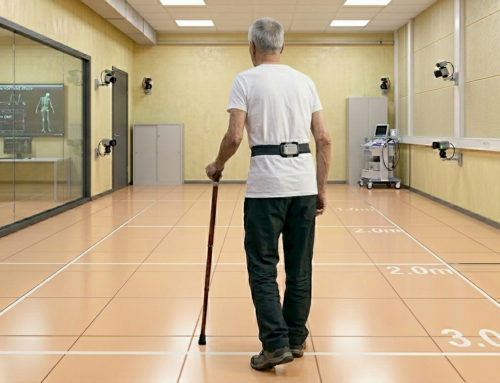
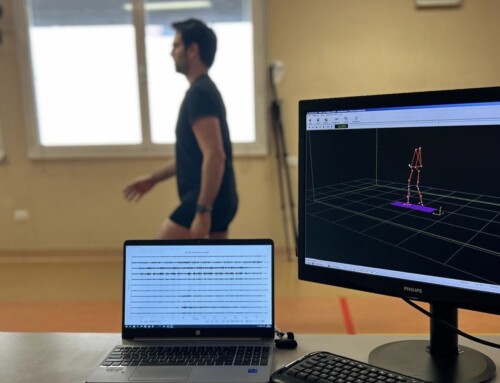
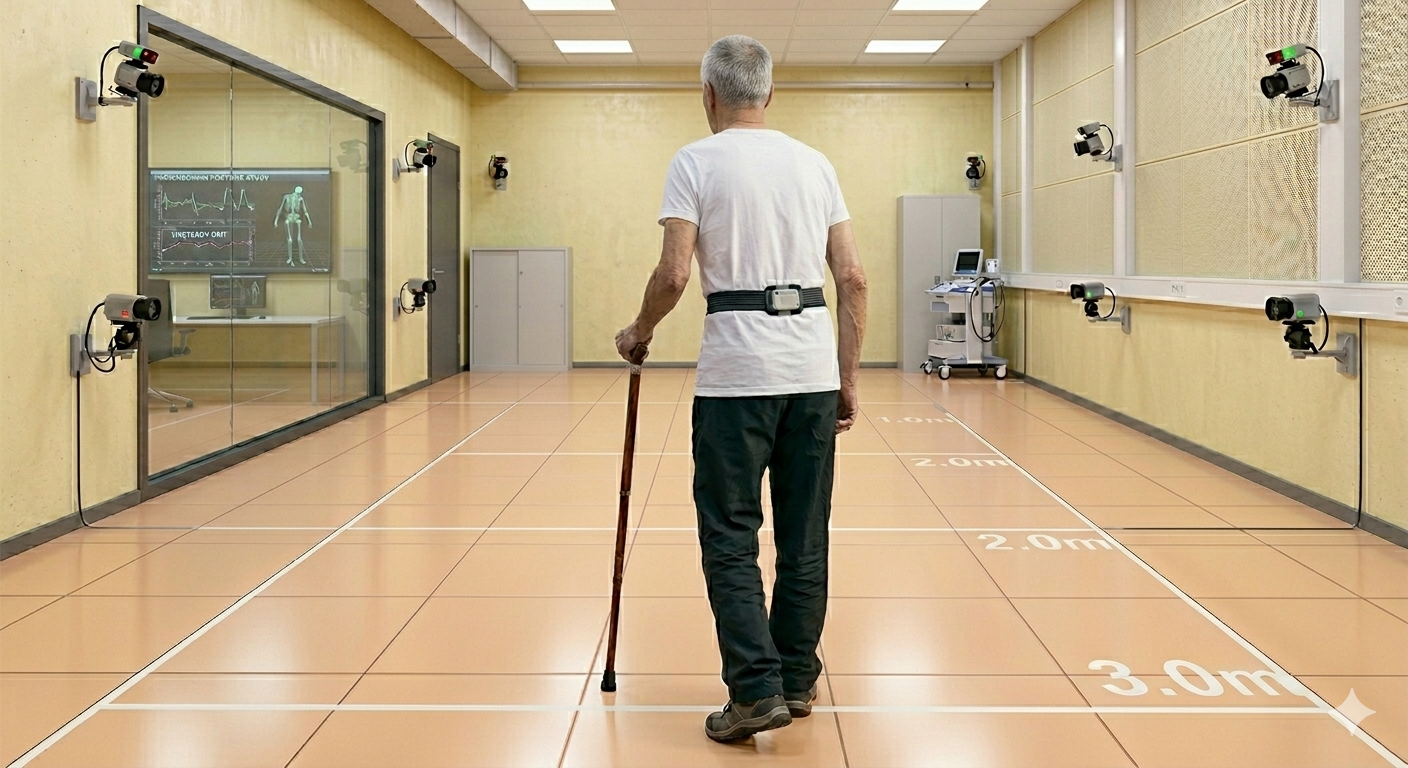
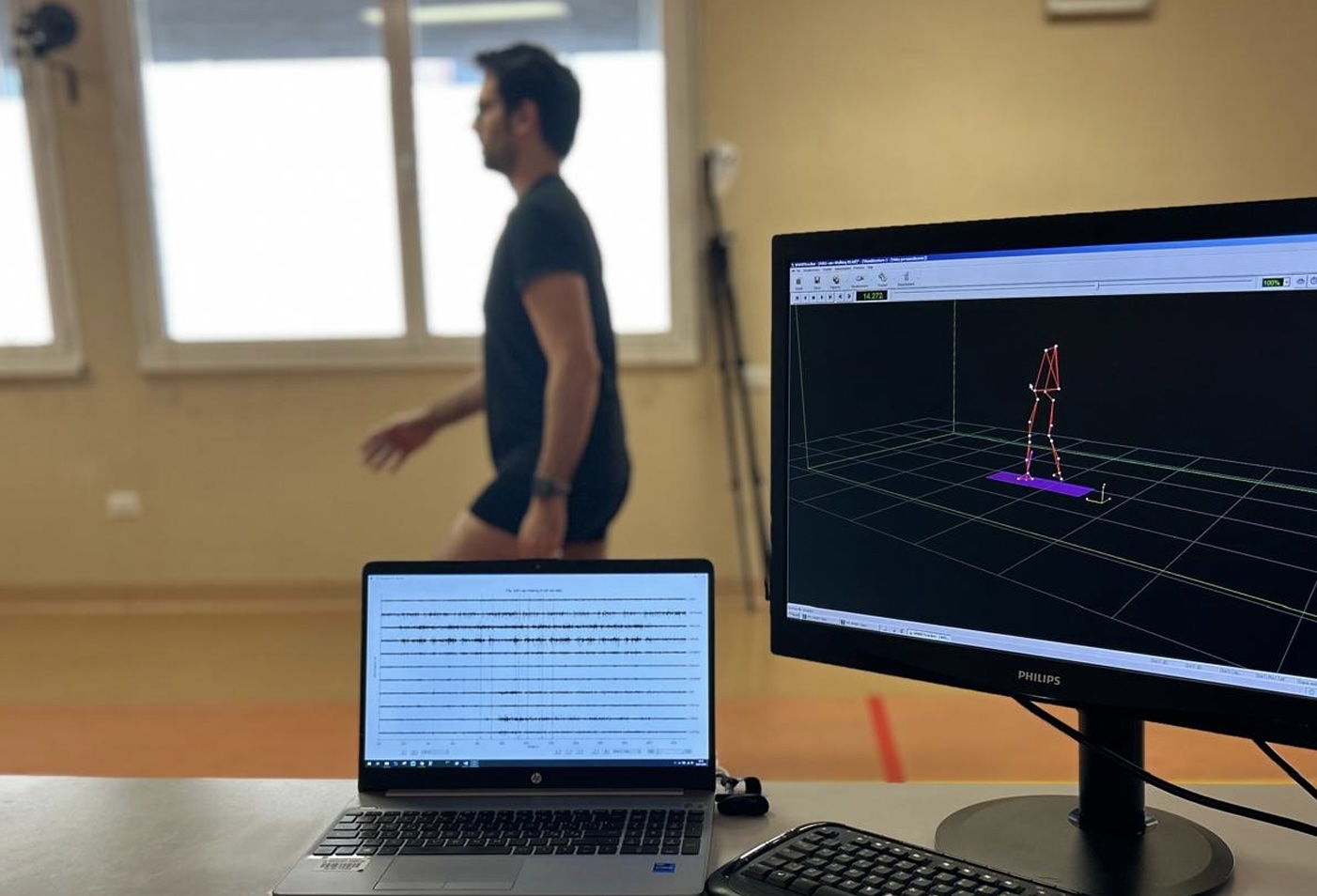
Motion Analysis Laboratories often use complex and sophisticated instruments, such as force platforms and markers, to record kinematic data and EMG signal during tasks as walking.
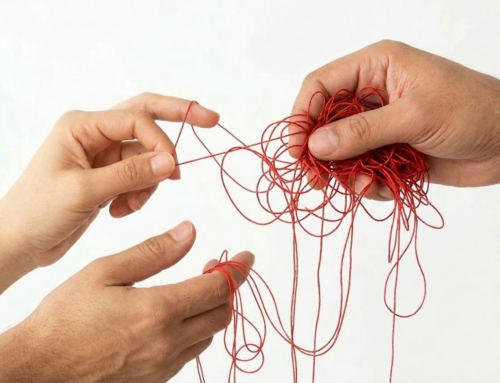
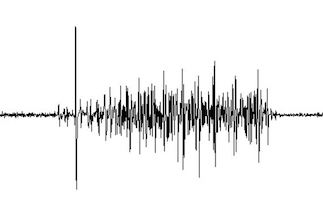
However, the analysis of these data is complicated, due to numerous interferences that can be wrongly recorded, such as background noise from the devices or the generation of an EMG look-like activity signal, caused by moving wires. This is why it should be carried out on particularly compromised patients only, for whom surgical interventions need to be planned.
For less complex patients, such as the sports or orthopaedic ones, the use of inertial motion units (IMUs) seems more appropriate, due to their easy applicability in daily practice.
An IMU and an algorithm to help clinicians
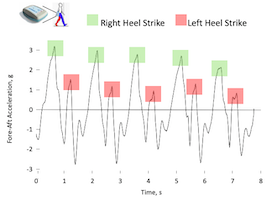
Several years ago, at the Gait&Motion Analysis Laboratory of the Sol et Salus Hospital of Rimini lead by Dr Davide Mazzoli, we developed patient-specific algorithms to analyse data acquired using the BTS G-Sensor, an IMU to be worn on the trunk as a belt: this made it possible to filter out particularly irregular data from recordings of hemiplegic walks for research purposes. It was possible to recognise the different events of the stride by recording the downward acceleration of the centre of gravity that occurs to move forward in the sagittal plane, facilitating the operator when analysing the data via software.
The custom-made built algorithm worked very well on healthy subjects, due to the cyclicity and symmetry of phases between the two lower limbs, but it was also possible to use it on hemiplegic patients, making it really useful in clinical everyday practice; in fact, one of the best applications of IMU devices should be within inpatients wards, in order to monitor the progress of intensive rehabilitation.
Nowadays, the use of these wearable IMU has increased dramatically, with their integration in objects that are part of our daily lives such as smartphones or health watches.
At MBE, we started working on clinical applications of wearable sensors in the late 90s, as described in this post.