The assessment of equino-varus foot deformity
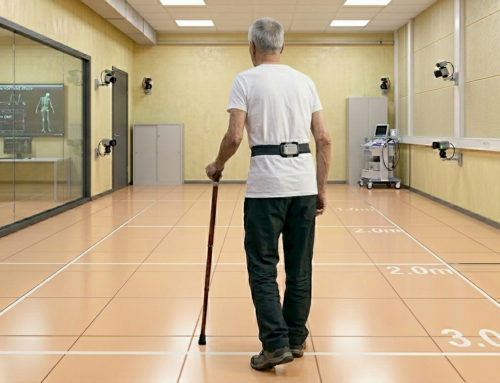
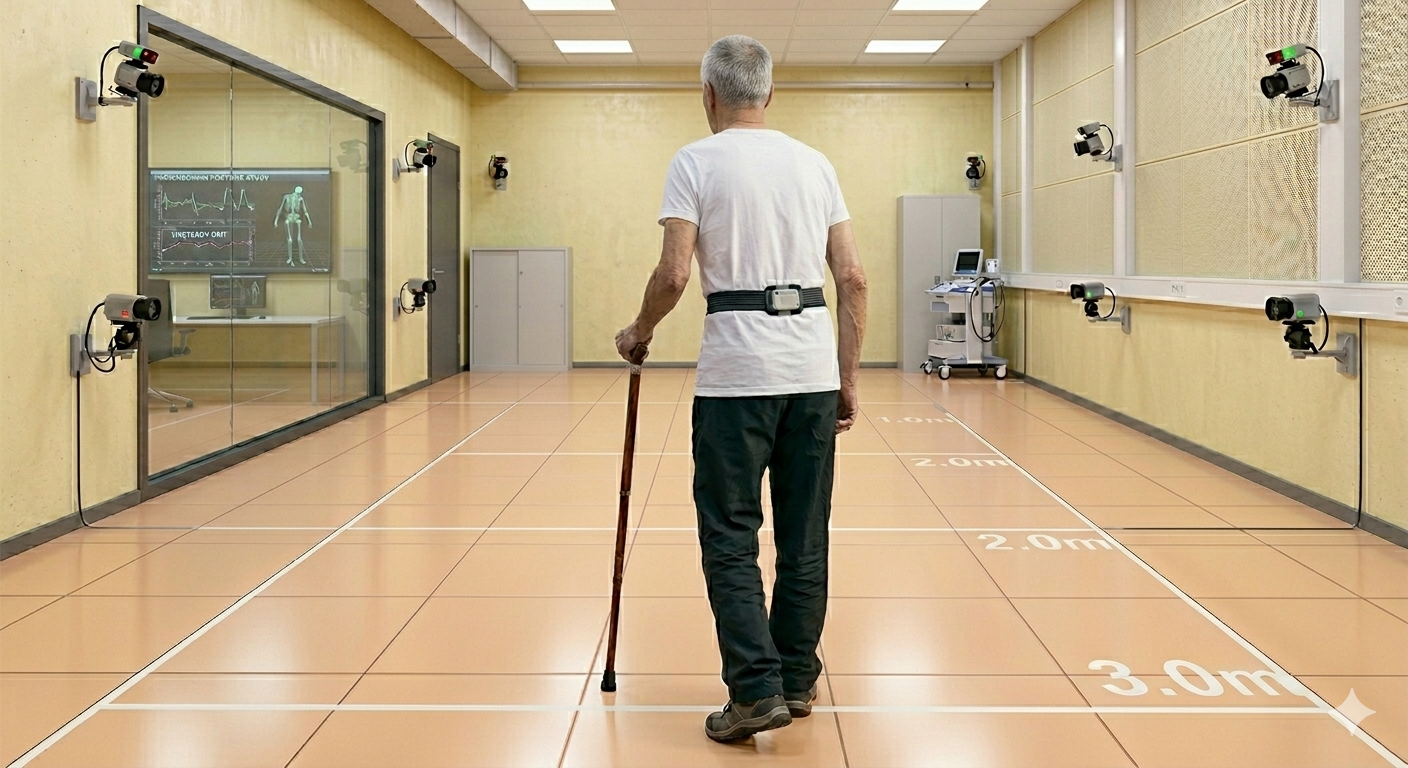
The equino-varus foot deformity in post-stroke patients is caused by several factors, that differently combine together in each individual and affect his gait. Therefore, it is appropriate to carry out assessments in dynamic conditions, but the observation of gait by clinicians alone may not be sufficient to differentiate the multiple causes, which, although different, sometimes result in similar and confounding walking patterns.
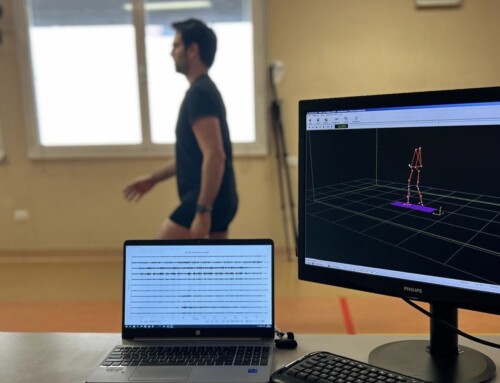
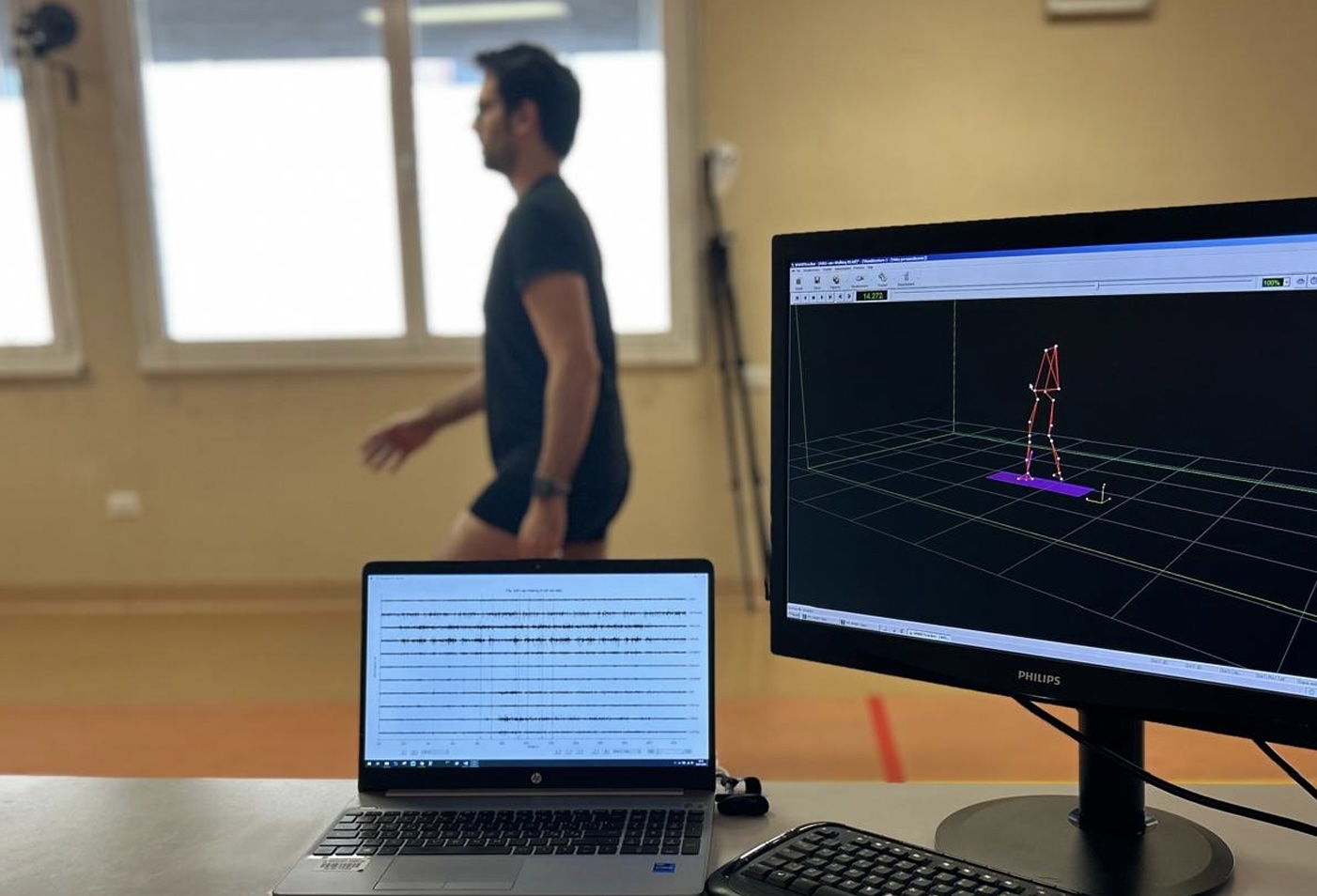
Then, the use of gait analysis and dEMG can be fundamental in discriminating individual factors, in order to orient surgical and physiotherapy choices by providing objective data that can be shared by the rehabilitation team.
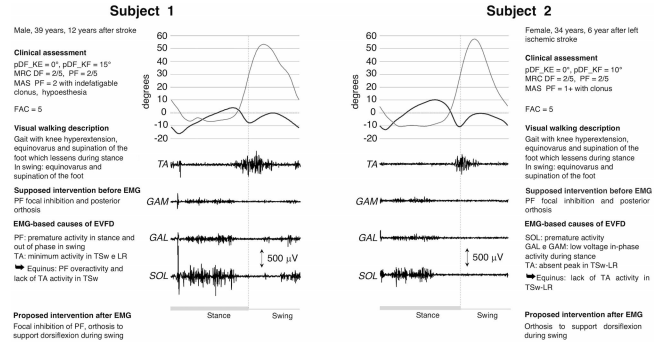
Same appearance, different causes
In this study we presented six patients with overlapping gait patterns based on clinical and kinematic assessment, but who showed completely different muscle activation patterns on the dEMG assessment: in 5 out of 6 cases the previously proposed treatment was subsequently modified to appropriately fit with patient condition. Finally, the strengths and the limitations still present, that reduce the use of this method, are presented.
Editorial Project
This paper is part of a stunning project on the Barriers Limiting Widespread use of sEMG in Clinical Assessment and Neurorehabilitation edited by Prof Roberto Merletti, Prof Catherine Disselhorst-Klug, Prof Zev Rymer and Dr Isabella Campanini. With >40,000 views in a few months, this open access project (papers and ebook) is a must-have for professionals working with surface EMG.