The extent of sEMG applicability
Surface electromyography provides very rich information about the muscles and the neuromuscular system control strategies. Clinicians can use it for functional diagnosis, the intervention planning phase, and the evaluation of the efficacy of the treatments.
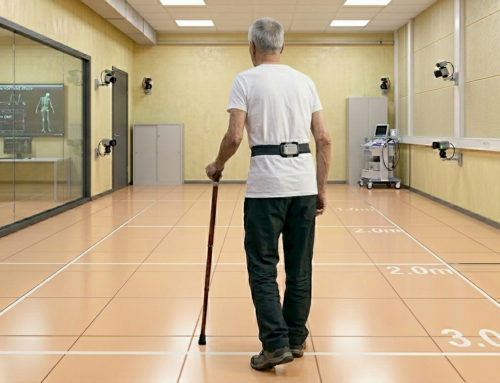
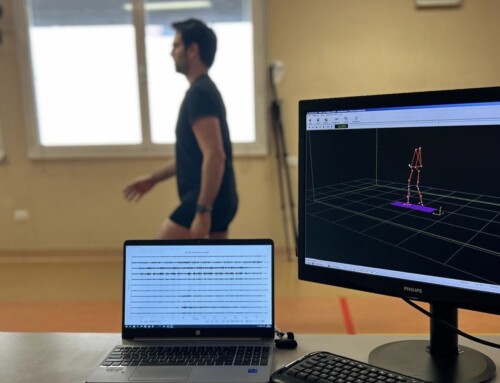
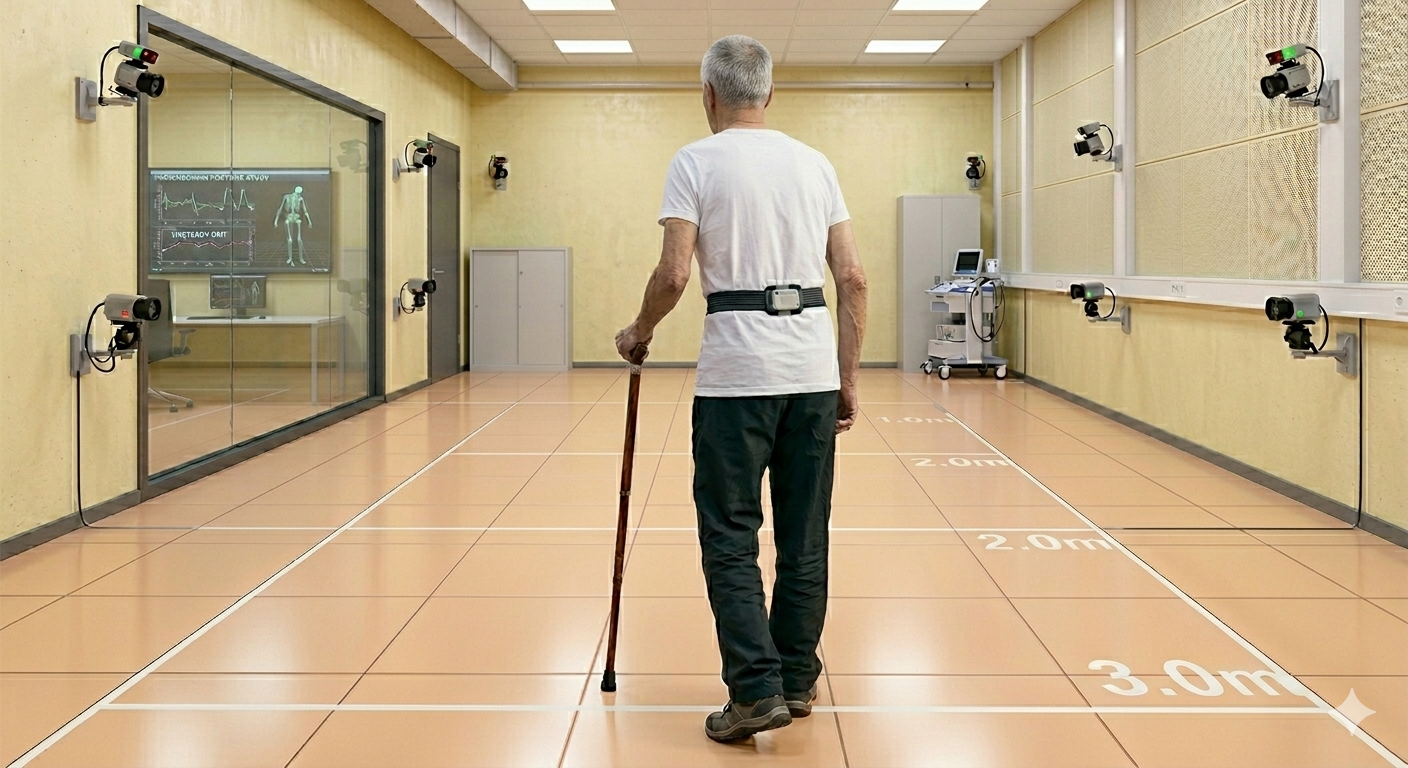
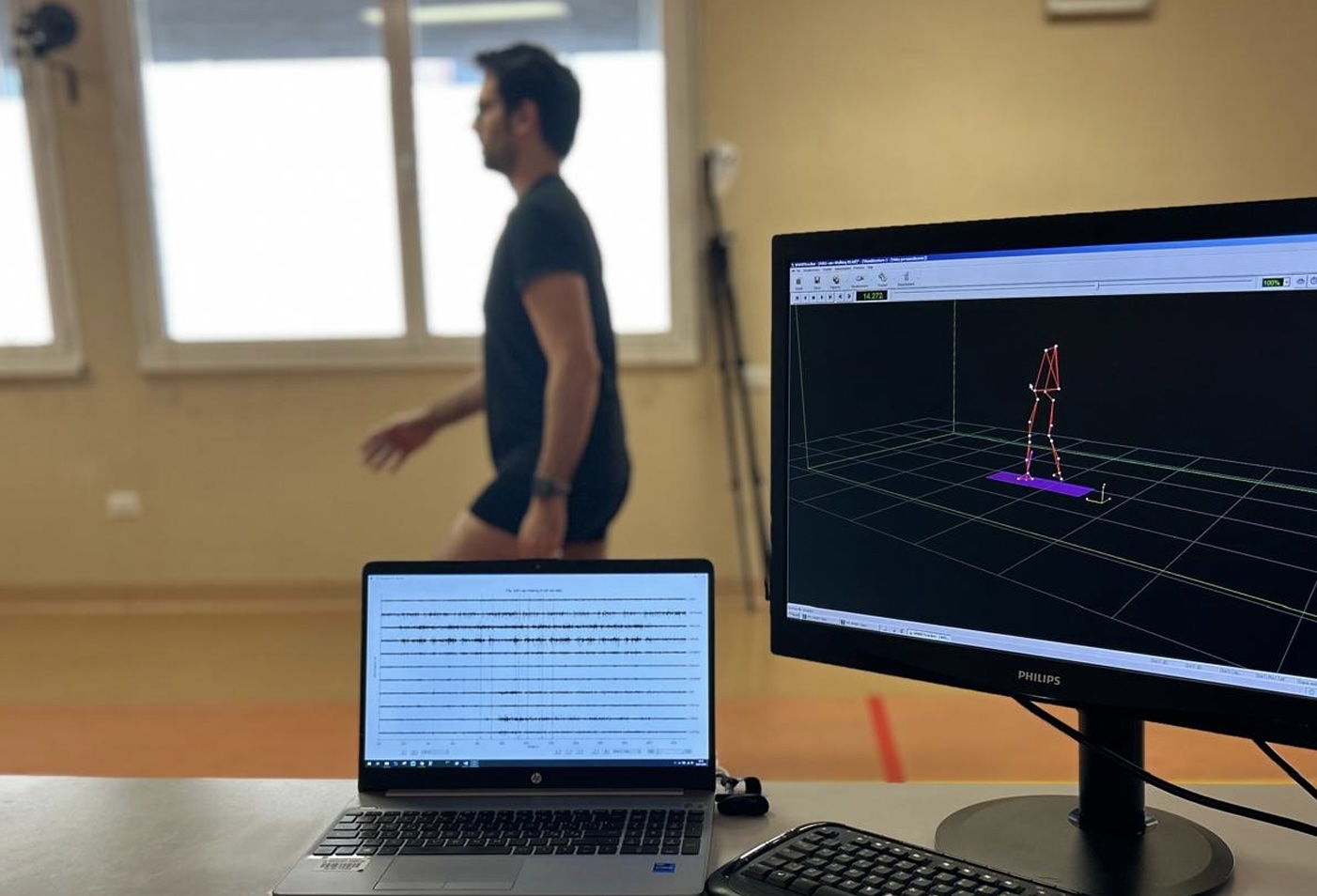
The application fields of sEMG are several: it is integrated with the gait analysis in neurorehabilitation, used for the location of the best point for the focal inhibition injection, for the analysis of muscle loading and fatigue in sport, for the detection of involuntary muscle activity in acute stroke, and in ergonomics.
However, many barriers still limit sEMG clinical application.
New study published
We recently published an article in collaboration with renowned experts in the field such as Isabella Campanini, Catherine Disselhorst-Klug, Luca Mesin, Silvia Muceli, and Roberto Merletti that illustrates the current technologies of sEMG, supplying with teaching materials, suggesting tutorials, and providing insights for data detection and interpretation.
The open-access full-text can be found here.
Main issues addressed
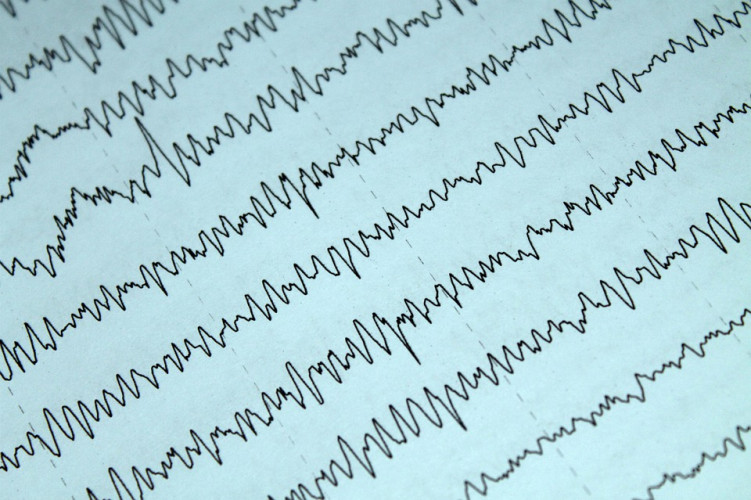
Proper knowledge of sEMG generation and detection processes, and the visual inspection of the raw signals are preliminary steps for the following extraction of useful and reliable data.
Our study provides a comprehensive overview of the use of sEMG in all its forms, such as bipolar, or with arrays or grids (HDsEMG), exploring the application fields and the main issues of each.
Teaching chapters on the onset mechanisms of the motor unit action potential, the rationale of the crosstalk phenomenon, the skin preparation, and the role of the innervation zone detection were provided. Considerations were made for the choice of electrode size and interelectrode distance.
A focus was put on issues usually considered trivial but instead of extreme importance, such as the possibility of the muscle sliding under the skin, thus modifying the signal recorded by the electrodes, or the choice of the proper scaling system when visualizing data, which may lead to incorrect conclusions if not controlled.
Spreading the knowledge
If all this knowledge is usually well mastered by engineers, who daily deal with mathematics formulas and computation, the same skills are not usually supplied in health professional classes, such as physiotherapists, movement scientists, and occupational therapists.
It is therefore crucial to transfer this expertise from research labs only to healthcare degrees and clinical practice.
MerloBioEngineering strongly believes that engineering and clinical practice should go hand in hand at the service of the final user: the patient.
Our knowledge is at your service for any consultation on sEMG, from signal acquisition to the use of the best filters and the final interpretation. Do not hesitate to contact us!