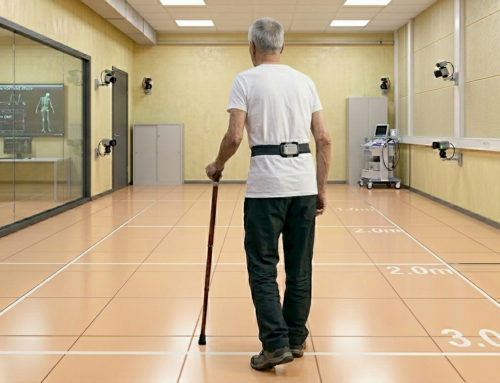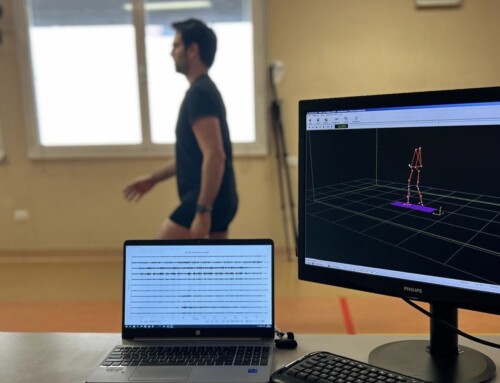
Why is choosing the proper outcome measure so important?
Some months ago we published a scoping review on the physical therapy interventions for equinus foot deformity in stroke patients due to triceps spasticity. If you missed the post, you can access it here.
Choosing the proper measure to assess the phenomenon under analysis is essential to intercept any change after treatment and infer effectiveness.
A new scoping review on assessing methods
While writing the previous paper, we noticed that the authors of the included studies had chosen many different assessment methods. For example, among clinical scales, the Modified Ashworth Scale was the most used, even if it has long been demonstrated that it does not measure muscle spasticity.
We also registered the statistical computation used by each author for data analysis (e.g., mean and median computation). Indeed, choosing the proper statistical measure according to the type of data to handle is key to presenting reliable data.
A new scoping review on assessing methods
During the writing of the previous paper, we noticed that many different assessment methods had been chosen by the authors of the included studies. For example, among clinical scales, the Modified Ashworth Scale was the most used, even if it has long been demonstrated that it does not measure muscle spasticity.
We also registered the statistical computation used by each author for data analysis (e.g. mean, median computation). Indeed, also the choice of the proper statistical measure according to the type of data to handle is key to presenting reliable data.
The educational aim of the new review
Given these premises, we decided to publish a new review focusing on these two issues:
- Choosing the proper assessment methods
- Combining them with the appropriate statistical analysis
You can find the full text here.
We devoted a lot of space to the discussion section, in which we discussed each common mistake and suggested alternatives and improvements.

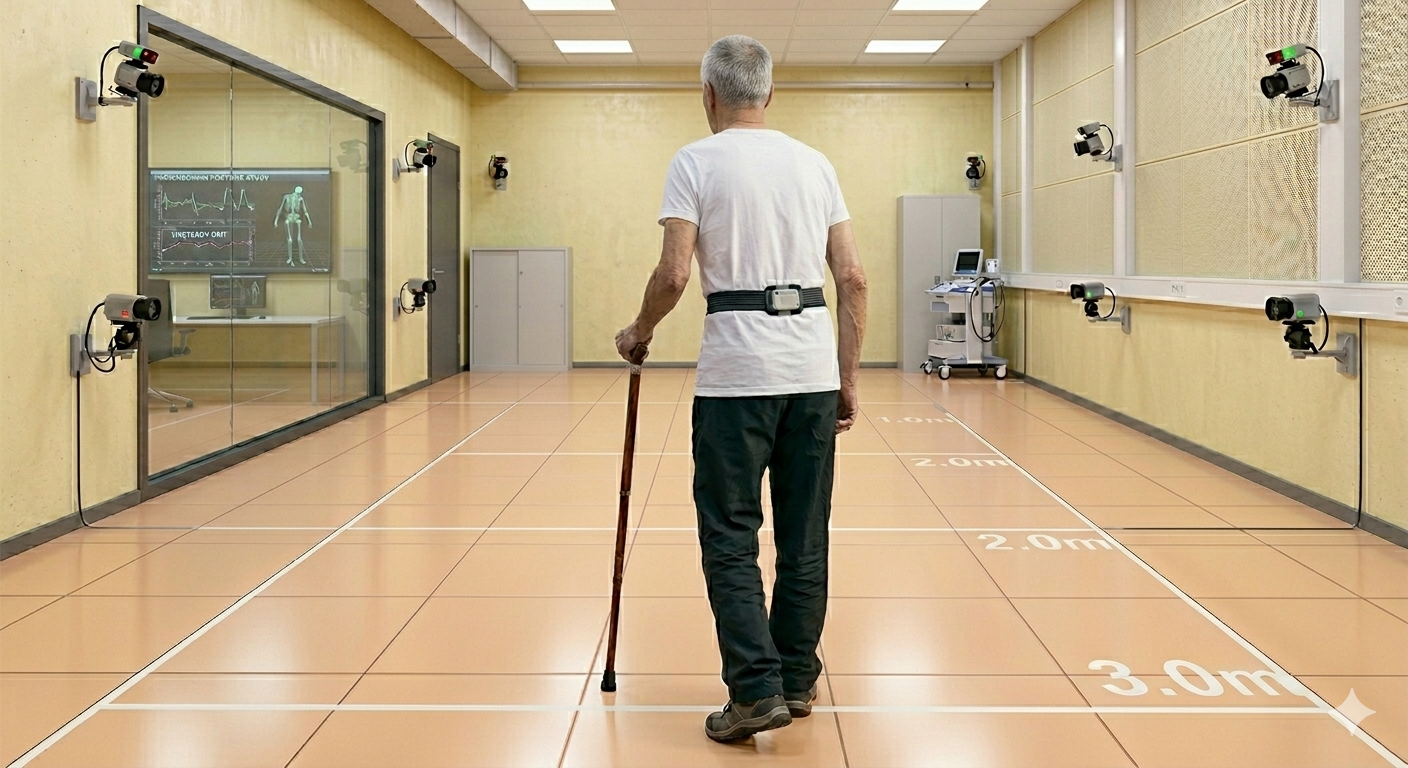
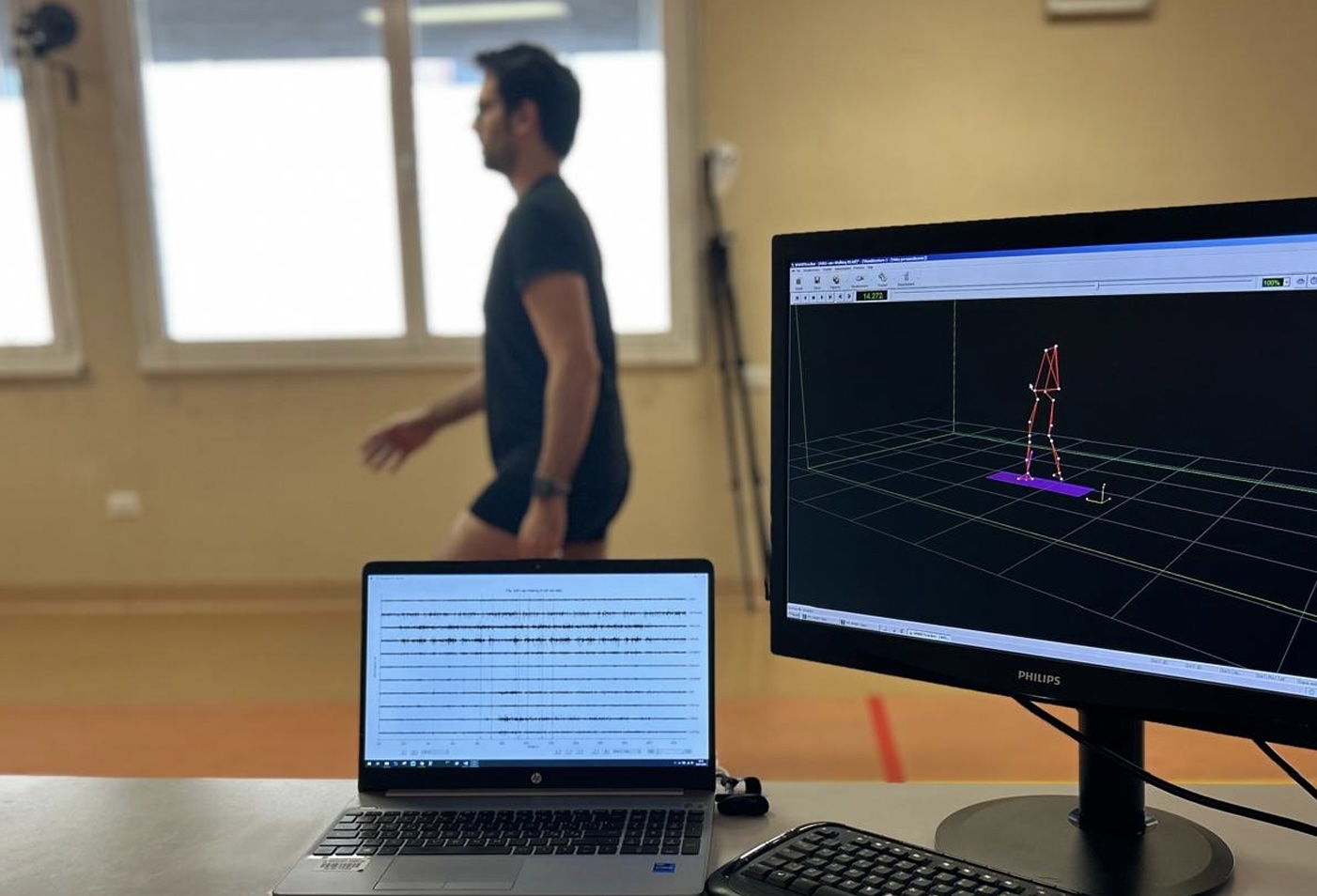
For example, when choosing a clinical scale to assess spasticity, the Modified Tardieu Scale has better construct validity and should be preferred. Along with clinical measurements performed at the bedside, we suggested complementing them with dynamic measures, such as dynamic electromyography.
We also resumed the topic of “spasticity” taxonomy as a misleading term. We recommended the use of more specific words able to distinguish the underlying causes of muscle overactivity in neurological patients.
Consultation activity in MerloBioEngineering
Having firsthand knowledge in the field, clinicians often have good insights for testing new treatments. It is worthwhile to verify their validity with research studies.
However, there may be a need for consultation on data management from a statistical perspective. In fact, the choice of the proper outcome measure is crucial to enhance clinicians’ work and to obtain valid and robust results.
At MerloBioEngineering, we conduct consulting services for the design and writing of scientific studies, supporting you step by step along the way of your study.
Contact us through the format to request more information.