Stroke and robotics
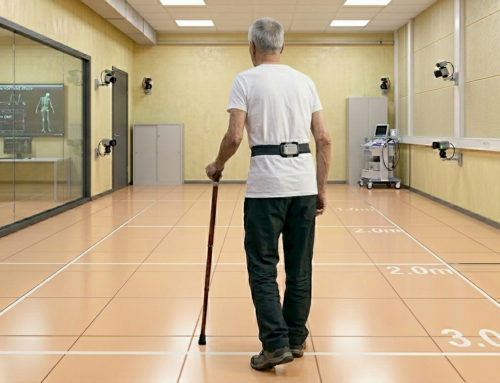
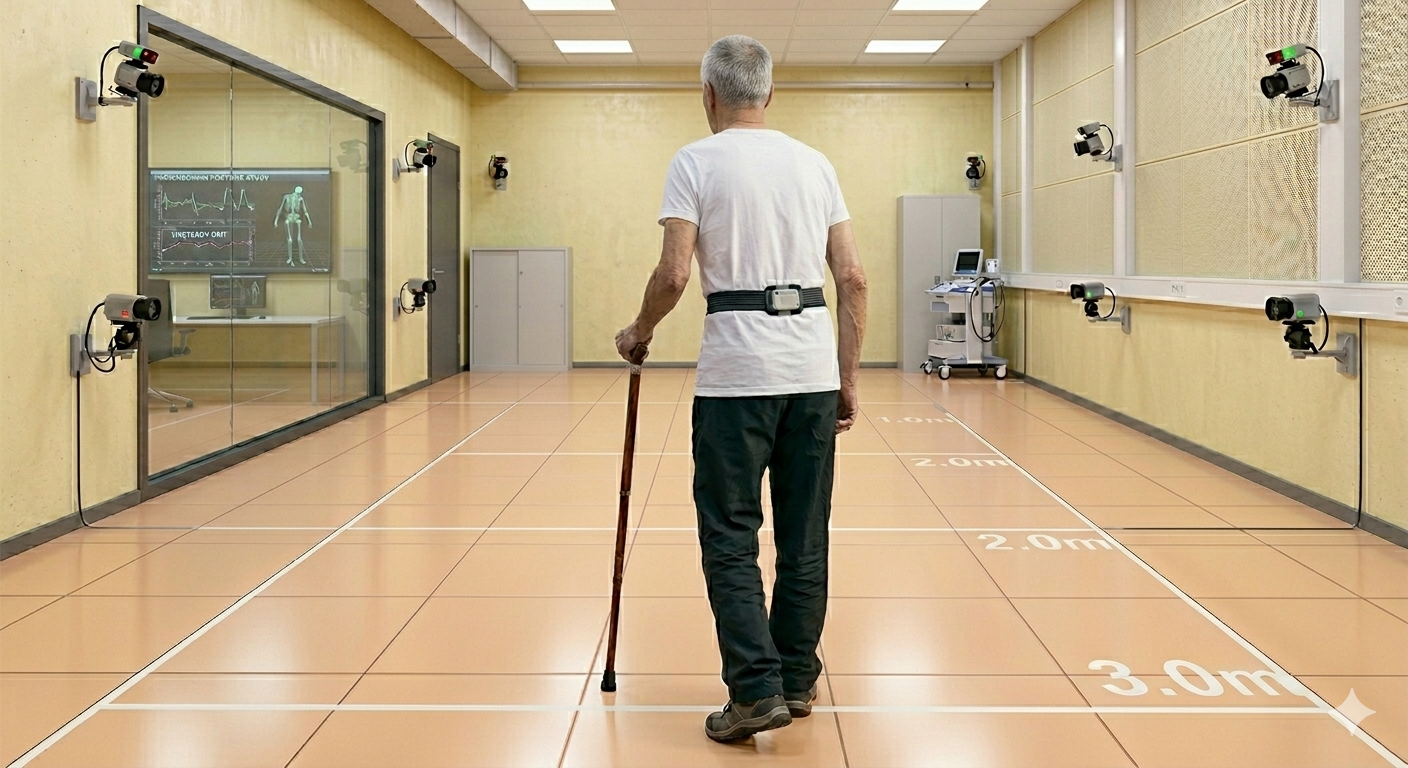
Stroke is the leading cause of disability in high-income countries, leading to independence loss in activities of daily living and mobility. Approximately half of them experience gait impairments at the end of standard physiotherapy, with an economic impact on health and social national services.
The recovery of walking after a stroke must be a priority goal in neurorehabilitation.
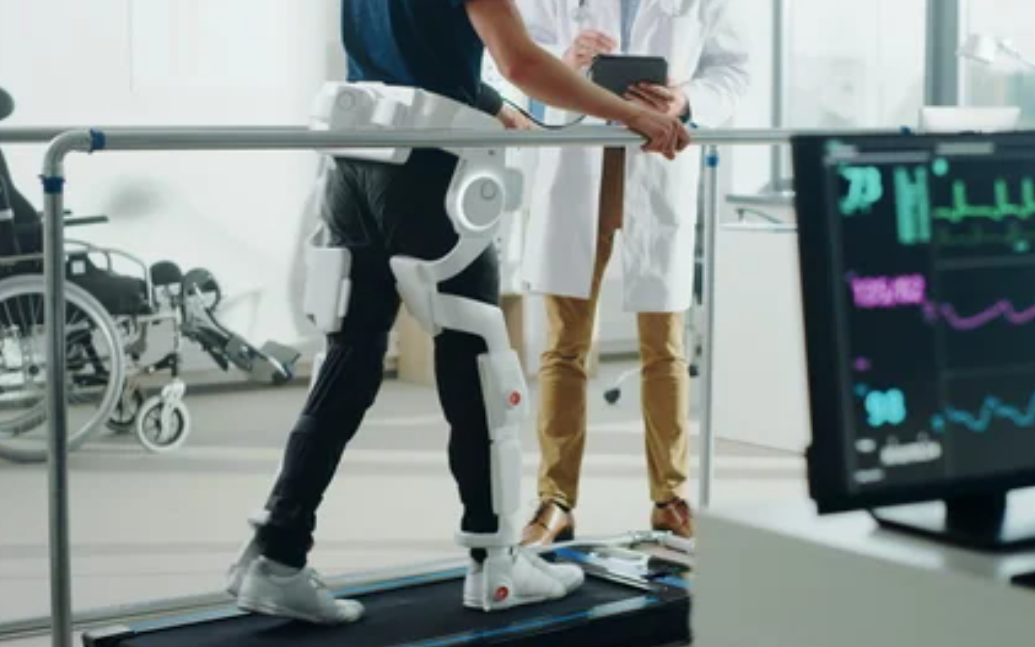
In the last decades, advances in technology and electronics have led to the development of robotic systems to be used during robotic-assisted gait training.
The CICERONE Consensus Conference
As experts in neurorehabilitation, Andrea Merlo from the MerloBioEngineering team, Isabella Campanini from the Azienda USL-IRCCS of Reggio Emilia (Italy), and Davide Mazzoli from the Sol et Salus Hospital (Rimini, Italy) attended the CICERONE Italian Consensus Conference on gait rehabilitation in stroke patients, held by the Italian Society of Physical and Rehabilitation Medicine (SIMFER).
The Conference was held over December 2019 – March 2020, during which a systematic review aimed to summarize the relevant information on robotic-assisted gait training for stroke patients was conducted.

New review published
The final version of the systematic review has finally been published and is now available in the open-access version at the following link.
Sixty-one studies were included, involving different types of robotic systems (“device-in-charge”, “patient-in-charge”, “end-effector”, and “exoskeleton”) in the rehabilitation program of acute, subacute, or chronic patients. All three ICF domains were addressed – body structures and functions, activity, and participation.
In acute stroke patients, robotic-assisted gait training associated with conventional therapy improves walking speed and independence. On the contrary, chronic patients benefit from these technologies on par with traditional rehabilitation. The review provided an overview of the gaps still present in the literature, with recommendations for future studies.
Did you know that the MBE team has already been part of other Italian consensus conferences? We have provided recommendations on the use of robotics in multiple sclerosis, stroke, and the general neurological population.
Participating in a national consensus conference is always a highly stimulating experience. The discussion with prestigious colleagues from different backgrounds enriches the debate and returns interesting insights to take home.