When researchers with different backgrounds meet and work together, great projects can arise!
The PhD program on Parkinson’s Disease
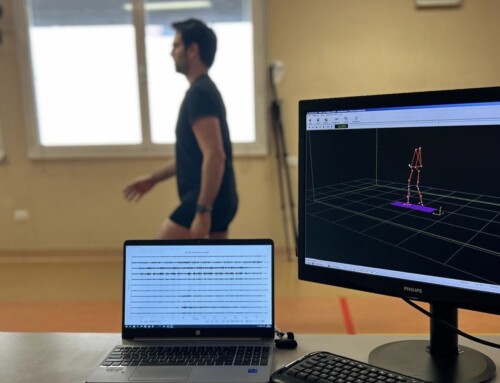
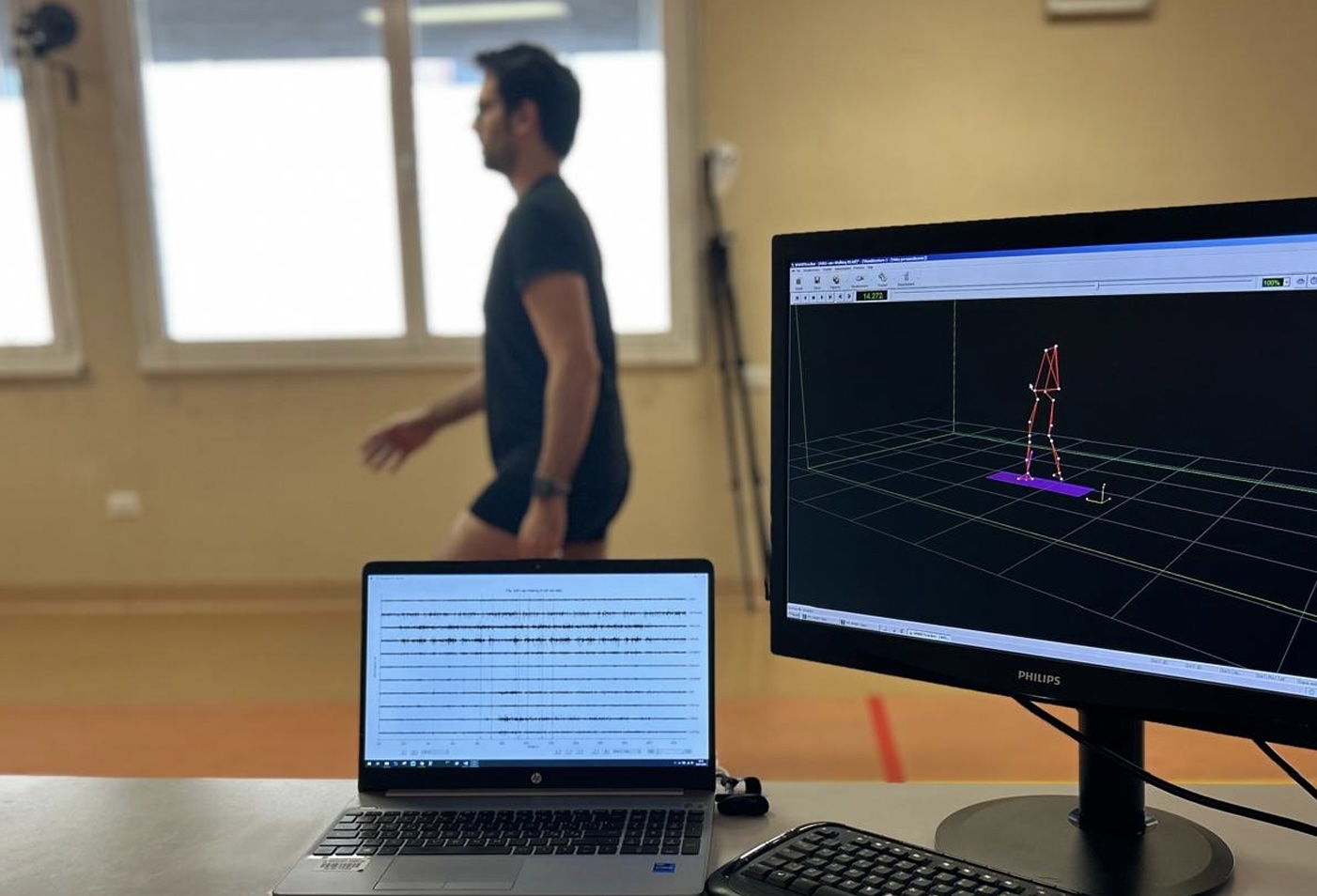
Three years ago, the Motion Analysis Laboratory (LAM) of Correggio, from the AUSL-IRCCS of Reggio Emilia, started a collaboration with the University Hospital of Modena, welcoming a Ph.D. student in Clinical and Experimental Medicine.
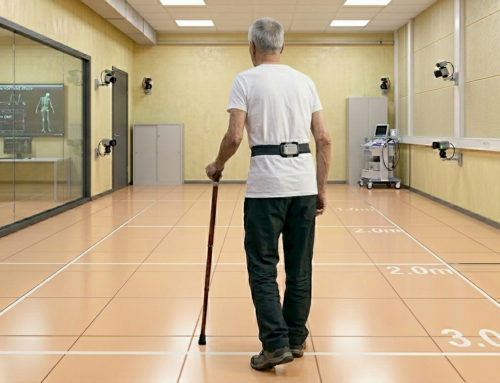
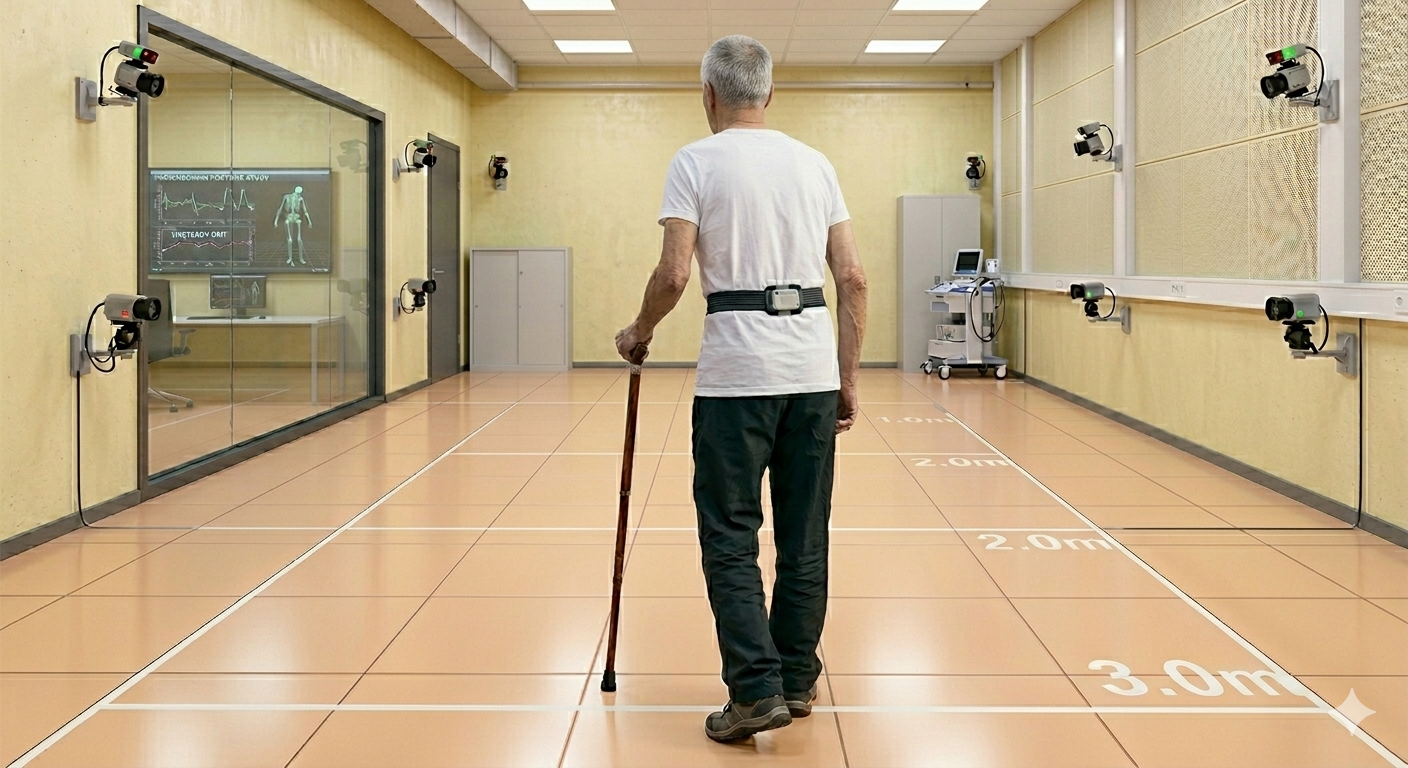
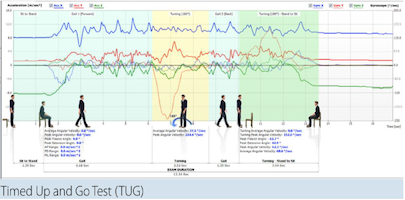
Doctor Francesco Cavallieri worked on a project on Deep Brain Stimulation (DBS) for patients with Parkinson’s Disease. He analyzed the effects of DBS on gait and functional tests, such as the instrumented Timed-Up&Go Test.
Widening the network of collaborations
The hard work of the research team, led by doctor Franco Valzania – head of the Neurology Unit of the AUSL-IRCCS of Reggio Emilia, and Ph.D. Isabella Campanini – head of the LAM, has met the interest of many professionals over the years.
MerloBioEngineering was part of the group from the very beginning, as Andrea Merlo handled the software design for data analysis and the statistical analysis.
Moreover, we collaborated with the Ospedale Civile of Baggiovara (Italy), the University of Verona (Italy), the Ospedale Maggiore of Bologna (Italy), the UCL Queen Square Institute of Neurology of London (UK), and the Centre Hospitalier Universitaire of Grenoble (France).
Finally, of particular relevance was the precious work of bioengineers Giuseppe Vannozzi and Elena Bergamini, from the Laboratory of Bioengineering and Neuromechanics of the University of Rome (Italy). We worked side-by-side during the study design and the interpretation and analysis of the data. We also had a worthwhile sharing of experience and opinions that will be very helpful in improving our daily work.
New paper published
MBE is proud of sharing our new paper published in such an important Journal as the Journal of Neurology, titled “ Interplay between speech and gait variables in Parkinson’s disease patients treated with subthalamic nucleus deep brain stimulation: A long-term instrumental assessment”.
Twenty-five patients were tested in four different stimulation and drug treatment conditions and assessed with the iTUG using a wearable inertial sensor. This study underlined the presence of different correlations between treatment effects of speech and gait parameters in patients with Parkinson’s disease treated with bilateral DBS.
The full text can be found here.
You can also read our group’s previous study on gait freezing in Parkinsons’s Disease treated with drug therapy and deep brain stimulation in the Posts section.
Cover image kindly downloaded from Vecteezy.com.