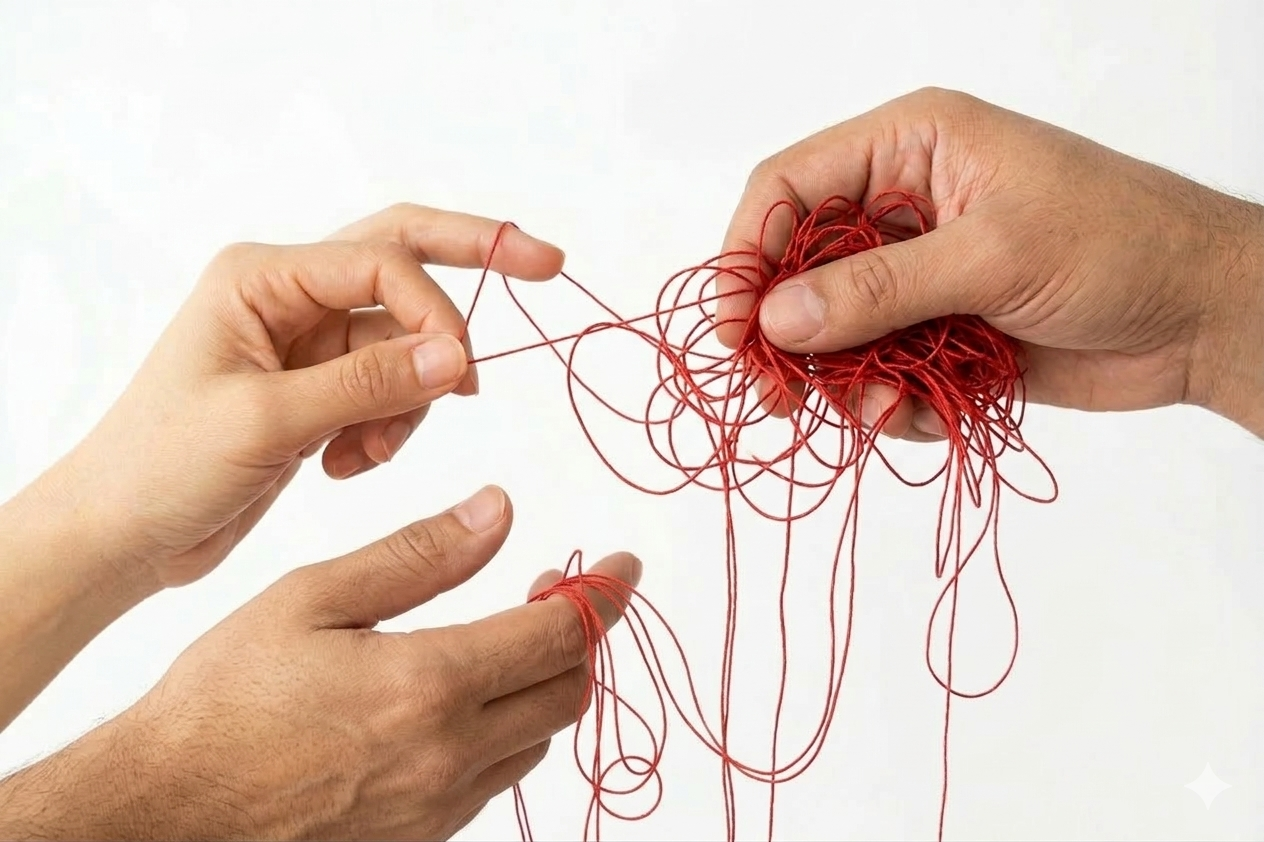
Traditionally, the challenge of foot elevation during the swing phase has been ascribed to spasticity in the plantarflexor muscles, triggered by the opposite dorsiflexion movement. However, the literature has shown that spasticity poorly correlates with dorsiflexion deficit and voluntary movement impairment.
On the other hand, spastic co-contraction, which originates from descending pathways rather than reflex arcs, may cause abnormal activation of plantarflexor muscles during foot dorsiflexion in swing.
However, quantifying the amount of antagonist co-contraction during a dynamic condition as gait remains a considerable challenge.

The tibial nerve neurotomy
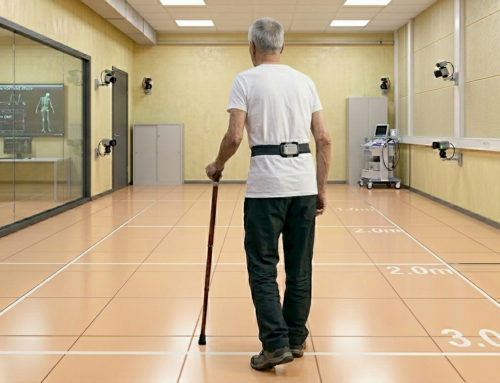
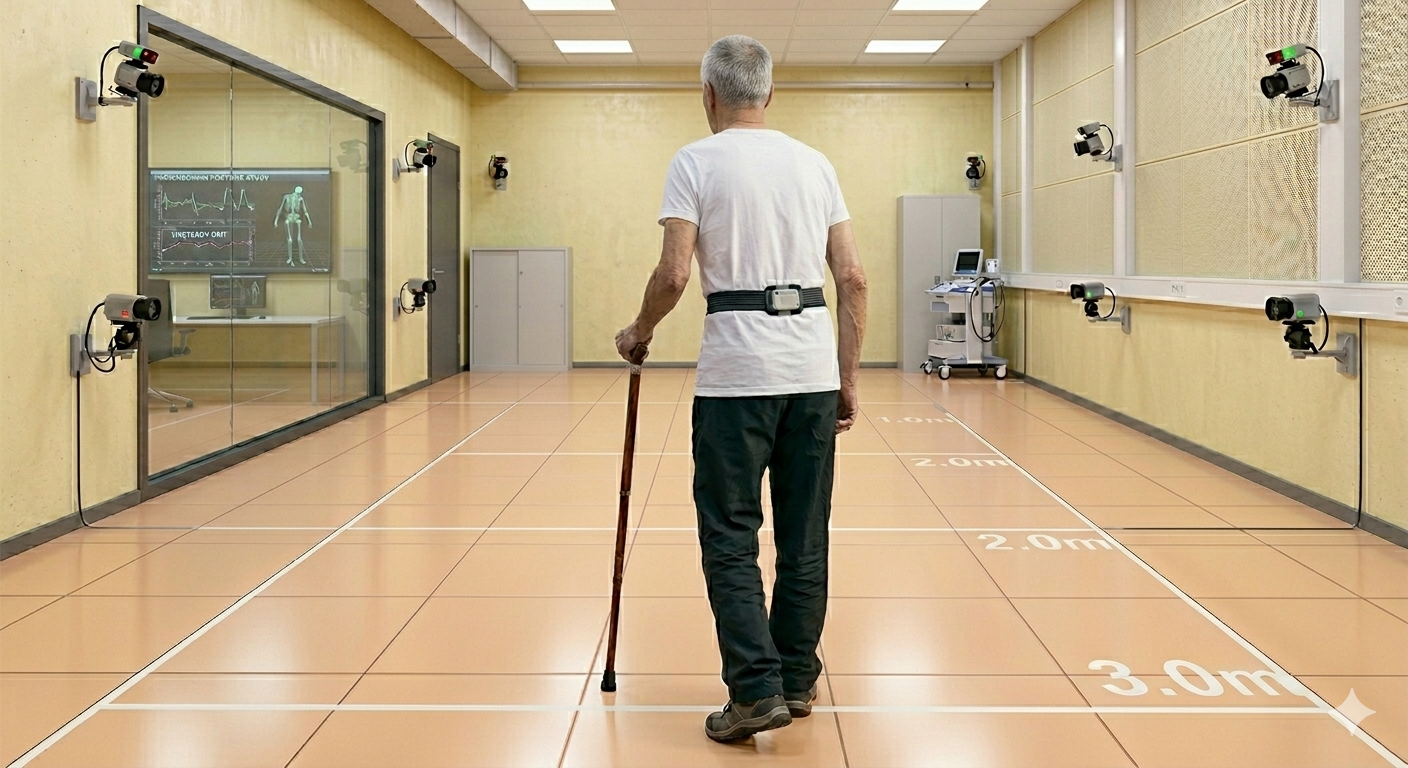
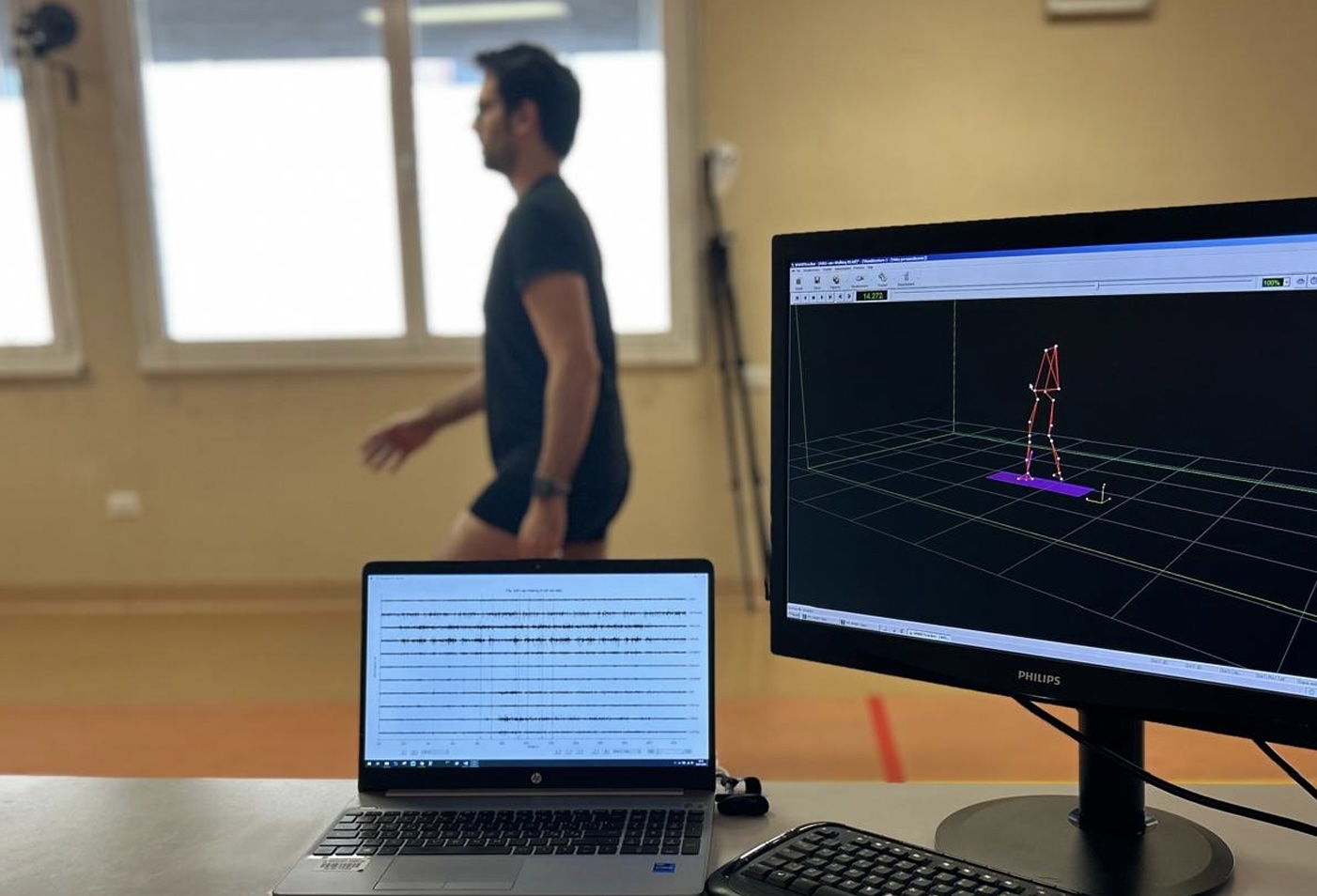
The introduction of tibial nerve neurotomy, a surgical procedure aimed at eliminating residual plantarflexor spasticity, provided an opportunity for investigation. Using instrumental gait analysis and dynamic electromyography, we evaluated a group of individuals with hemiparesis, of which a subgroup had undergone tibial nerve neurotomy. Patients were then compared to healthy subjects.
The full text can be read here.
What a great team!
This was a great opportunity to collaborate with French colleagues encompassing expertise from biomechanics to neurology from the University Limoges, Université Polytechnic Hauts-de-France, Institut de Biomécanique Humaine Georges Charpak, Hôpital Beaujon, Université Paris-Est Créteil, and the Laboratoire Analyse et Restauration du Mouvement of the Hôpitaux Universitaires Henri Mondor.
Through the combined use of surgical techniques and dynamic electromyography, we confirmed that the main cause of dorsiflexion deficits during swing lies in increased antagonistic co-contraction rather than plantarflexor spasticity.
EMG Easy Report
The analyses in this study would not have been possible without our software, EMG Easy Report.
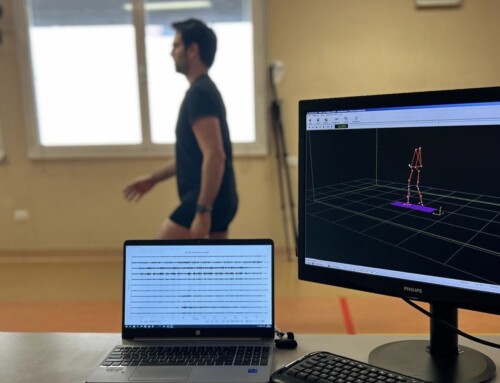
It allows the calculation of Root Mean Square values during maximum voluntary isometric effort and different subphases of the gait cycle. It then provides numerical data for computation of the agonist and antagonist activity coefficients, identifying the amount of co-contraction.
Contact us to learn more about the potential of our software and the studies you could conduct because of it!