How is the satisfaction of neurological patients who have undergone neuro-orthopedic surgery 1-3 years later? At Sol et Salus Hospital, we asked ourselves this question during the Covid-19 pandemic, when non-urgent follow-up visits were canceled and patients returned home after discharge.
Tailored neuro-orthopedic surgery
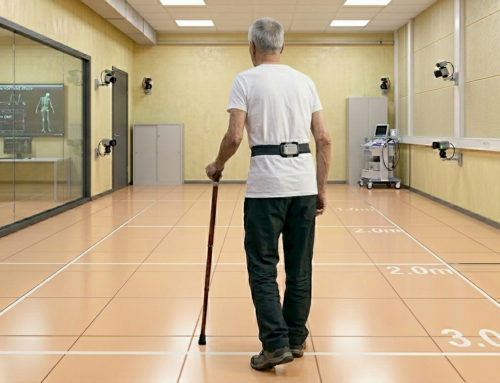
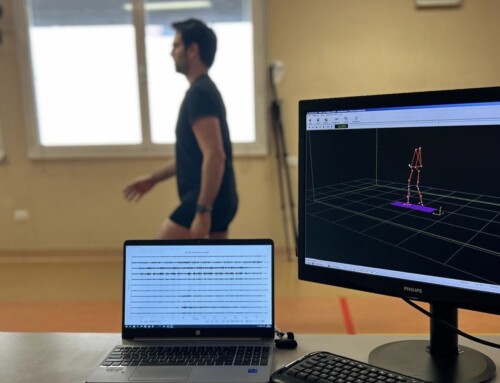
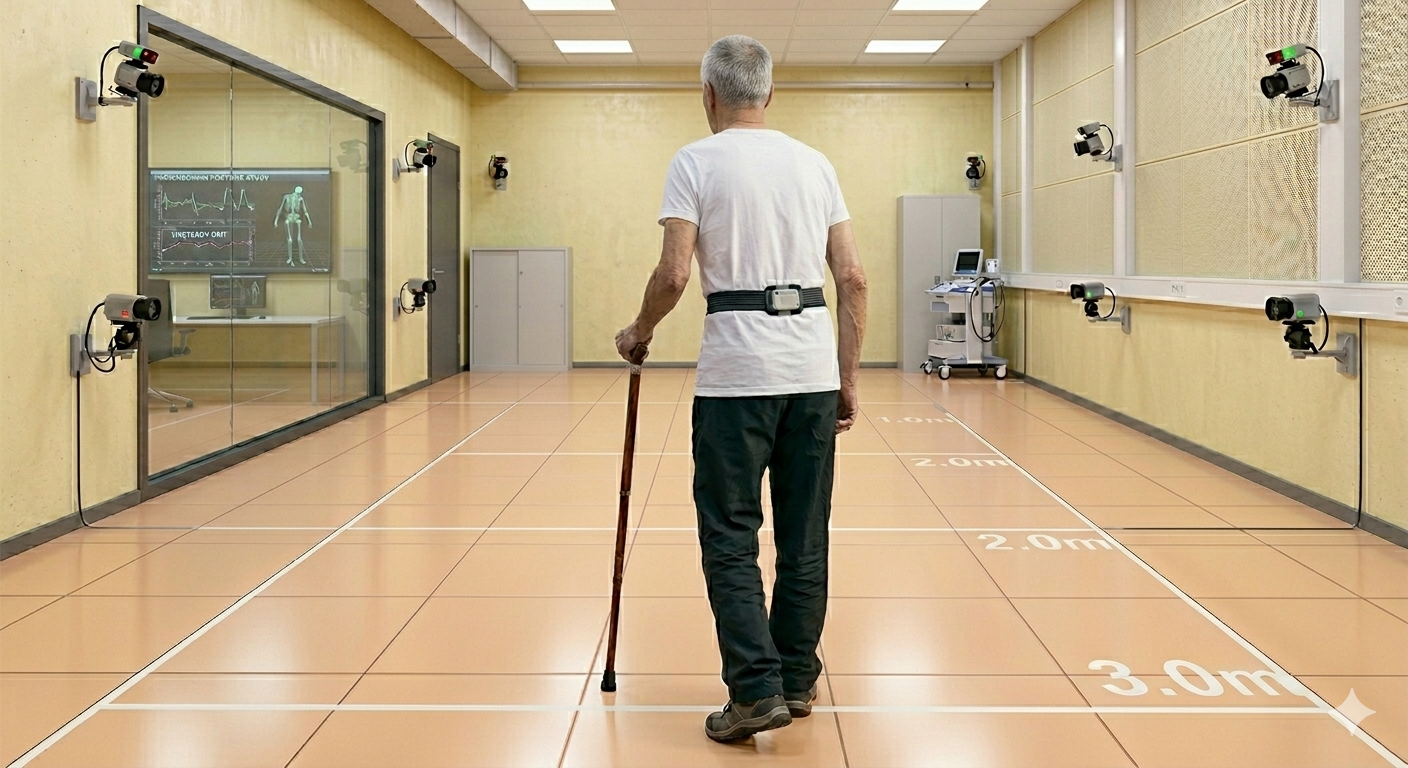
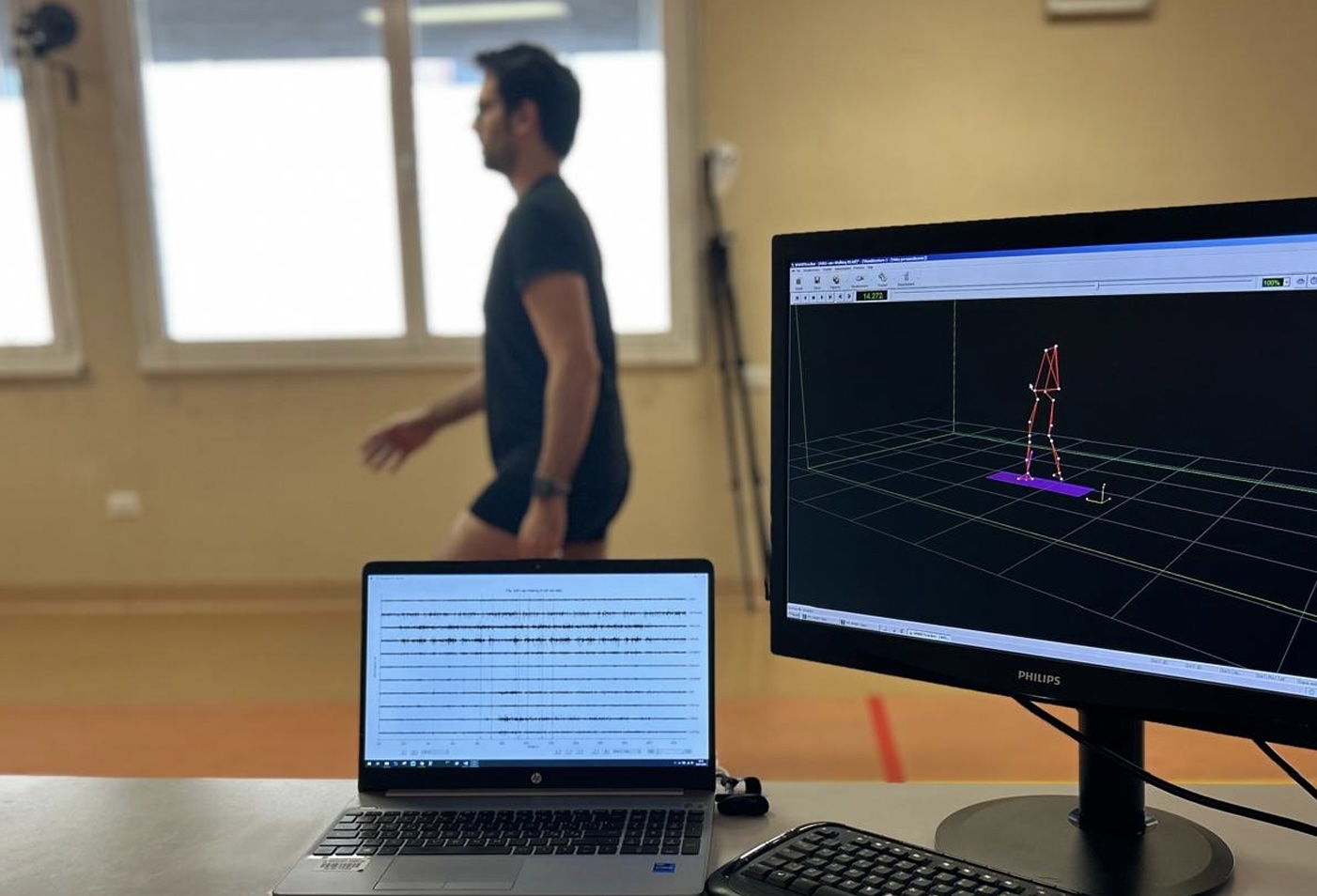
At Sol et Salus Hospital (Rimini, Italy), we treat hundreds of individuals with neurological diseases, such as cerebral palsy, stroke, and neuropathies (e.g., Charcot Marie Tooth). Patients usually undergo a comprehensive assessment, inclusive of clinical evaluation and instrumented gait analysis with surface electromyography. Then, a multidisciplinary team formulates tailored surgical planning, which can include soft tissue and bony procedures.
Neuro-orthopedic surgery is designed according to shared goals, such as restoring functions, correcting limb deformities, and ensuring hygiene. After surgery, patient-reported outcome measures are collected as well, recording patient satisfaction and perceived achievement of previously set goals.
Several paper have been published on the effects of neuro-orthopedic surgery by our team. You can find them in the Post section.
Online survey to remotely collect patient satisfaction
During the Covid-19 pandemic, follow-up visits were canceled to reduce the network of contacts at risk of infection. Therefore, we designed a brand-new online survey to be completed by patients or their caregivers. The anonymous questionnaire contained questions regarding different ICF domains (i.e., body structure, activities, and social participation).

We recently published a paper, which is available here.
At short- to medium-term follow-up, 85% of both adult and underage patients were either satisfied or highly satisfied with the outcome, and their pre-intervention expectations were met. Patient satisfaction was highly associated with a perceived increase in functional motor abilities and levels of social participation as a result of the surgery. Satisfaction was mainly correlated with self-esteem and the ability to participate in social events for adults, and the ability to perform ADLs or outdoor activities for children.
Clinical and research activity
This is the prime example of clinical and research activities being combined and how they can be developed in new versions depending on the context’s needs and constraints. Our results support that neuro-orthopedic surgery, in conjunction with early rehabilitation, offers a durable solution for treating joint deformities in neurological patients, whether acquired or congenital.
If you are considering conducting new studies and need methodological and technical support, we are here to help. You can contact us using the form provided.