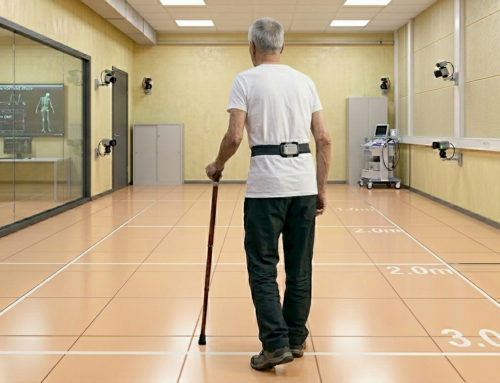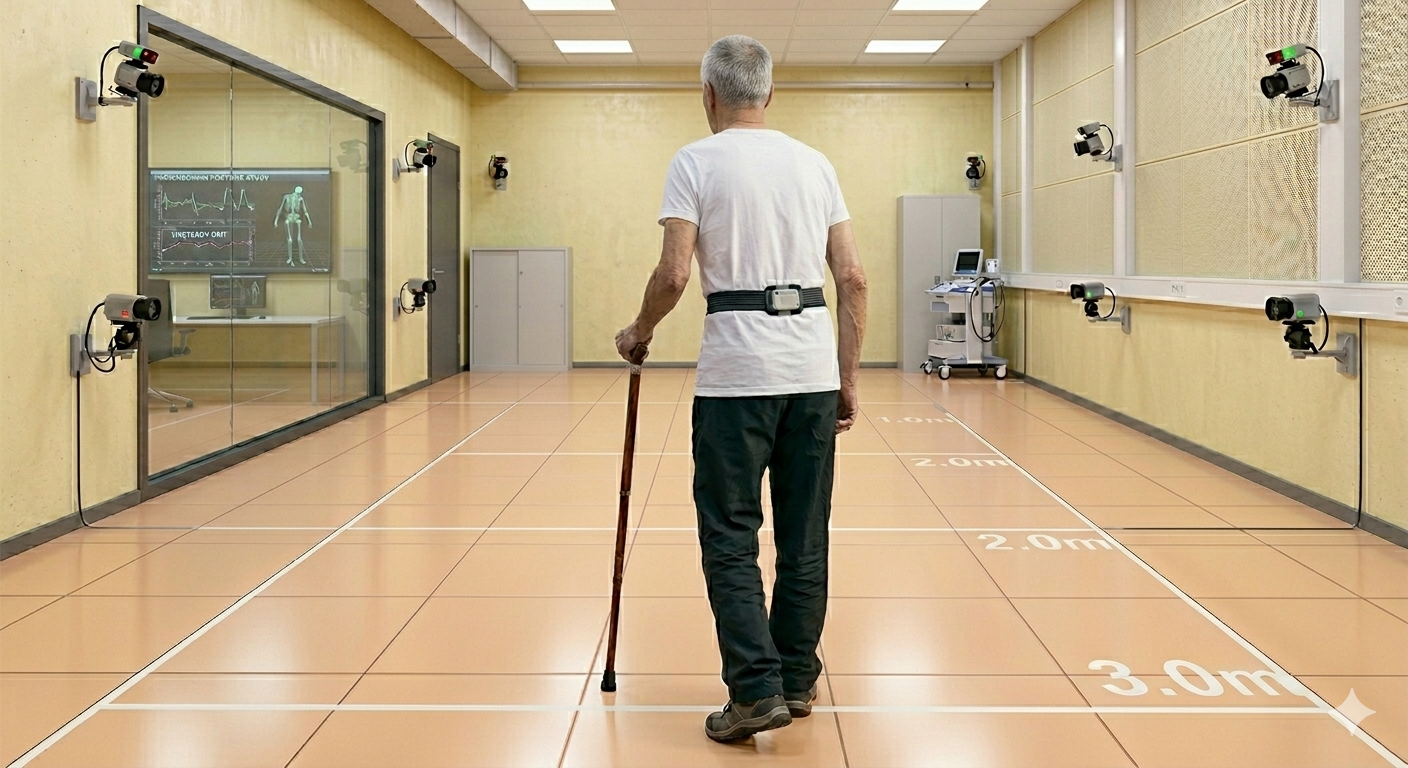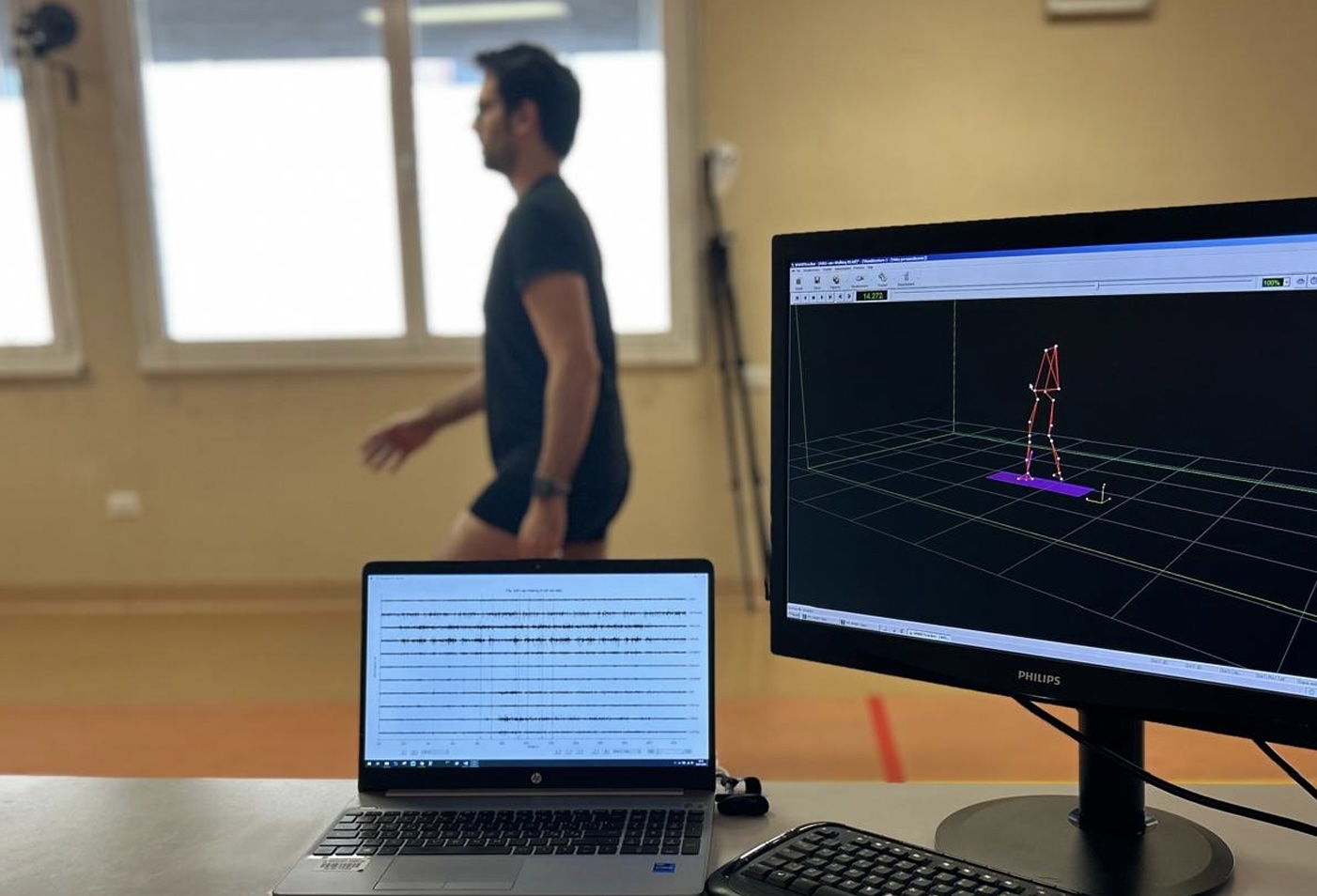
We’re excited to share that the partnership between the Movement Analysis Laboratory, led by Dr. Isabella Campanini, and the Neurology Unit of the Azienda USL-IRCCS in Reggio Emilia has grown stronger. We’ve already highlighted this collaboration in several recent Posts, like this one and this one.
Now, there’s more great news. The MerloBioEngineering team, working closely with Dr. Francesco Cavallieri and his research group from the Neurology Unit, has just released a new publication.

AI for Parkinson’s Disease Genotype Prediction
The recent study compared a cohort of patients diagnosed with Parkinson’s disease without genetic mutations and another cohort with the most prevalent mutation, GBA1, encompassing a total of over 100 participants. The primary objective was to assess whether artificial intelligence could accurately predict the GBA1 genotype based on clinical and demographic data.
The algorithm demonstrated an accuracy of 70%, increasing to 93% within a subset of patients exhibiting more severe symptoms. This indicates that the tool could serve as a valuable asset, potentially employed during the diagnostic process. Indeed, it may assist in guiding the selection of more targeted genetic tests, thereby enhancing resource allocation.
The full text is available here for further reading.
Artificial Intelligence as a Clinical Support
Artificial intelligence is becoming an increasingly valuable partner for clinicians. It does not replace the clinical team, but it can be a helpful supporter throughout different stages of patient care. At MerloBioEngineering, we’re genuinely passionate about advancing scientific progress and are proud to be part of meaningful studies like this.