Robotics in rehabilitation
The study of the upper limb and its movements within functional tasks is fundamental in rehabilitation departments, particularly with neurological patients.
The Armeo®Spring is a robotic device that enables extensive self-initiated and repetitive rehabilitation in a 3D workspace, supporting the weight of the limb from the early days following an acute event, such as a stroke.
Customized software implementing data analysis
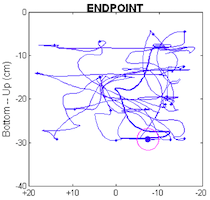
At the Sol et Salus Hospital in Rimini, we analysed the upper limb motion data acquired by sensors embedded in this wearable exoskeleton.
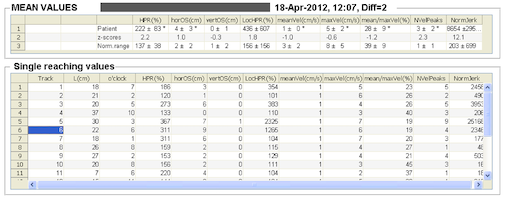
We developed a customised stand-alone software to boost the Armeo®Spring for scientific research purposes. Thanks to our software, data recorded during each movement arch were segmented and their main features were described by a set of quantitative, evidence-based, indicators.
Clinical application of bioengineering
Several papers illustrating the steps we followed have been published, showing the relevant clinical application possible.
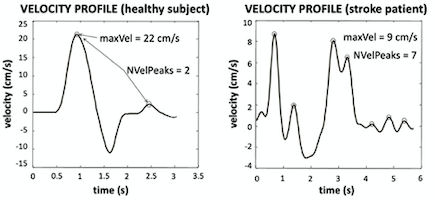
In particular, after refining the software and the motion indices, we investigated in a new study whether the analysis of reaching movement by means of the Armeo®Spring could be effective in distinguishing stroke and healthy patients, already assessed with clinical scales. The recorded results indicated good reliability of the instrument, promising new clinical uses in the future, such as use in daily rehabilitation by PTs and OTs.
Finally, building on previous studies, another Italian research institute, the Eugenio Medea IRCCS in Lecco, Italy, collaborated with MBE on the use of his customised software in a population of children suffering from neurological diseases, publishing the results of 43 patients after the use of the robotic device.
Software designed specifically for your clinical or research needs can be requested in the appropriate box on the website.