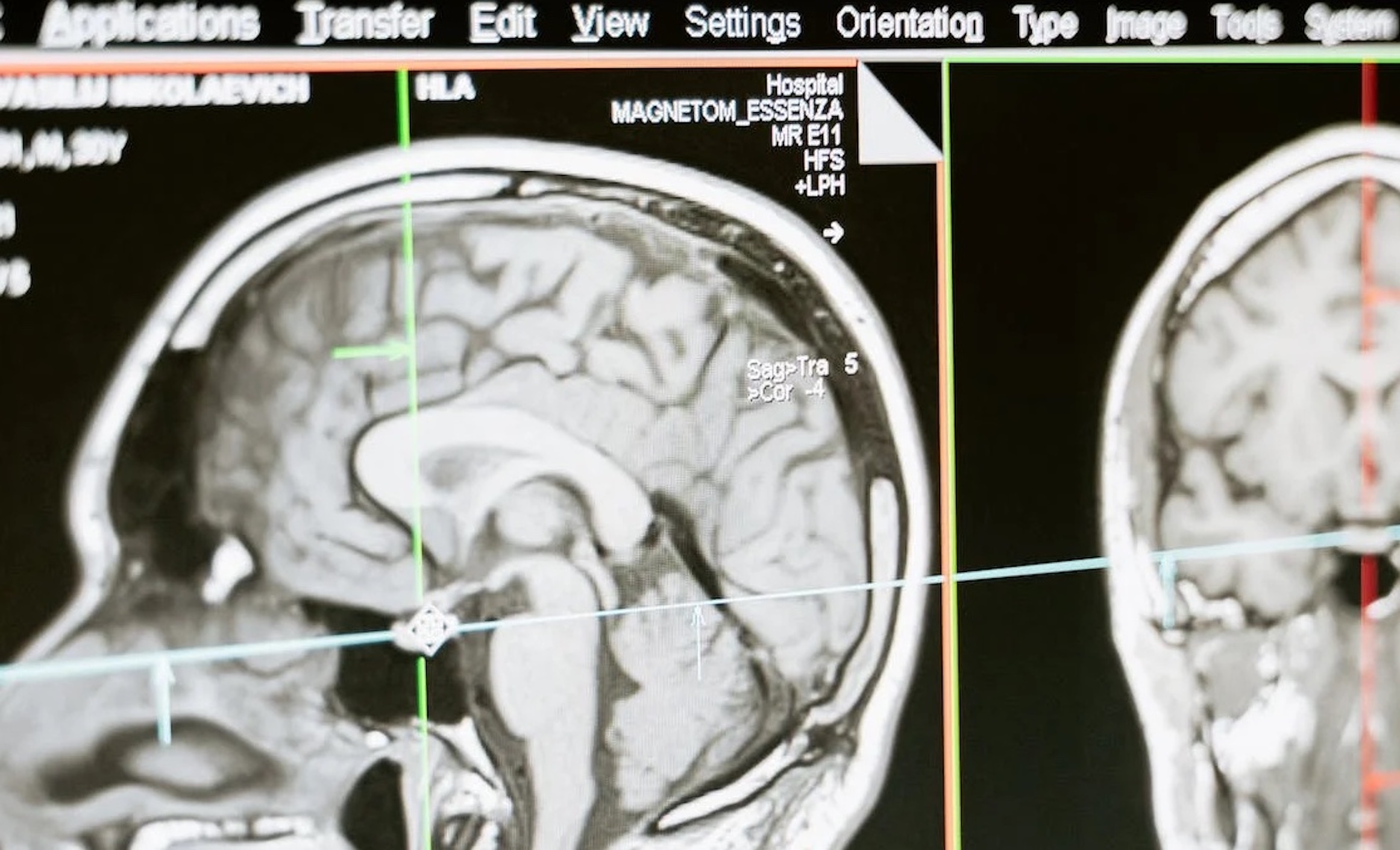
Autosomal recessive spastic ataxia of Charlevoix-Saguenay, also known as ARSAC syndrome, is a rare genetic condition characterized by early onset. It leads to cerebellar dysfunction, spasticity, and sensory-motor polyneuropathy.

Paper published
At the Motion Analysis Laboratory of the Azienda USL-IRCCS in Reggio Emilia, a 36-year-old woman diagnosed with ARSAC syndrome underwent evaluation in collaboration with the Neurology Unit headed by Dr. Franco Valzania.
We recently published a case report, which can be read here.
Posturographic analysis of ARSAC syndrome
Clinicians assessed nystagmus, saccadic movements, and vestibulo-ocular reflex. Our Laboratory conducted instrumented posturography in four conditions per the Canton Ticino study protocol:
- Eyes open on a firm surface
- Eyes closed on a firm surface
- Eyes open on a soft surface
- Eyes closed on a soft surface
Additionally, the patient underwent assessment using instrumented Timed Up&Go (iTUG). Recommendations were provided to distinguish ARSAC syndrome from other ataxias, such as CANVAS or Friedrich’s ataxia.
Sustaining research and progress in medicine
Collaborating with esteemed colleagues was a pleasure, enriching our expertise and expanding our understanding. Research plays a pivotal role in accurately diagnosing rare diseases, enhancing the possibility of early and appropriate patient care.
Keep up to date with our group’s latest publications in the news section.