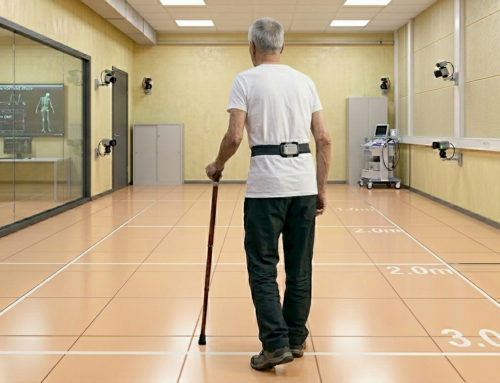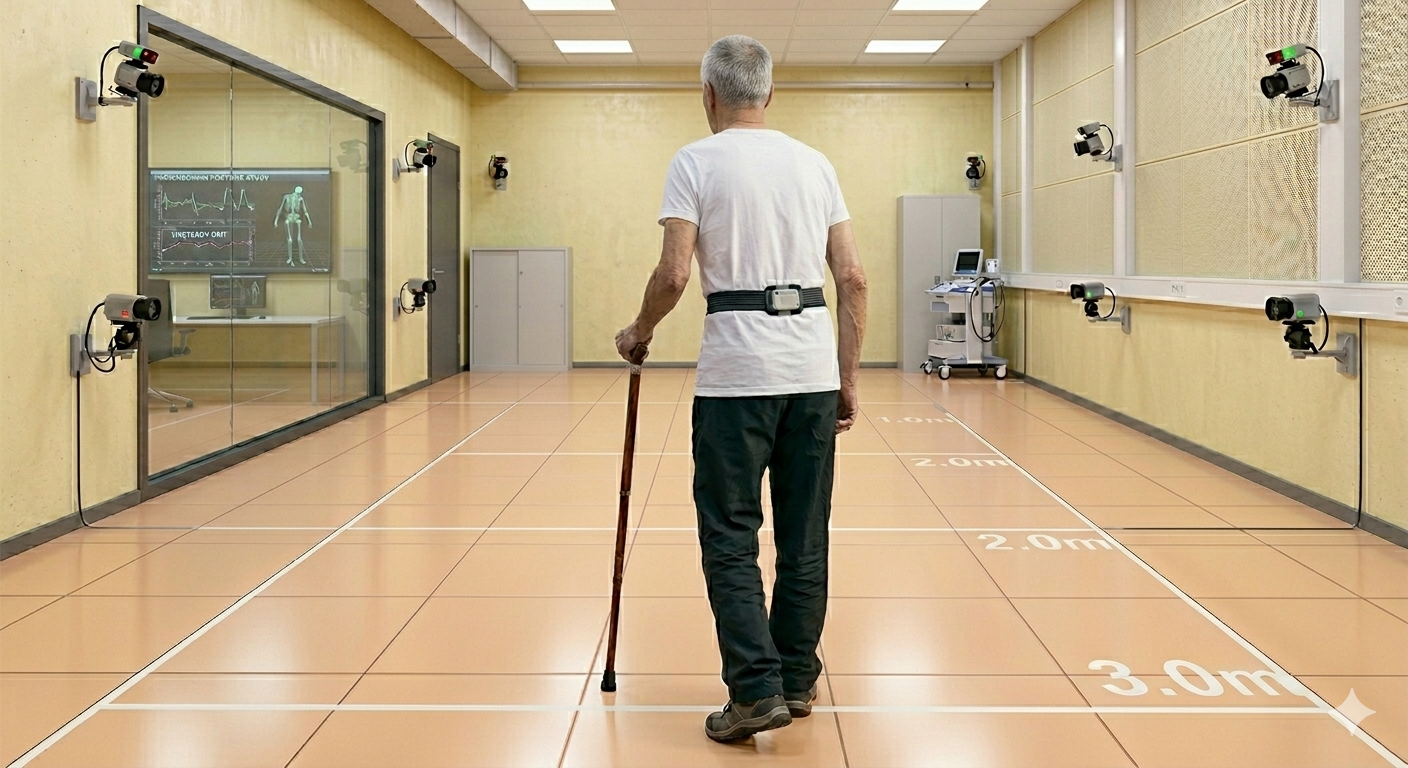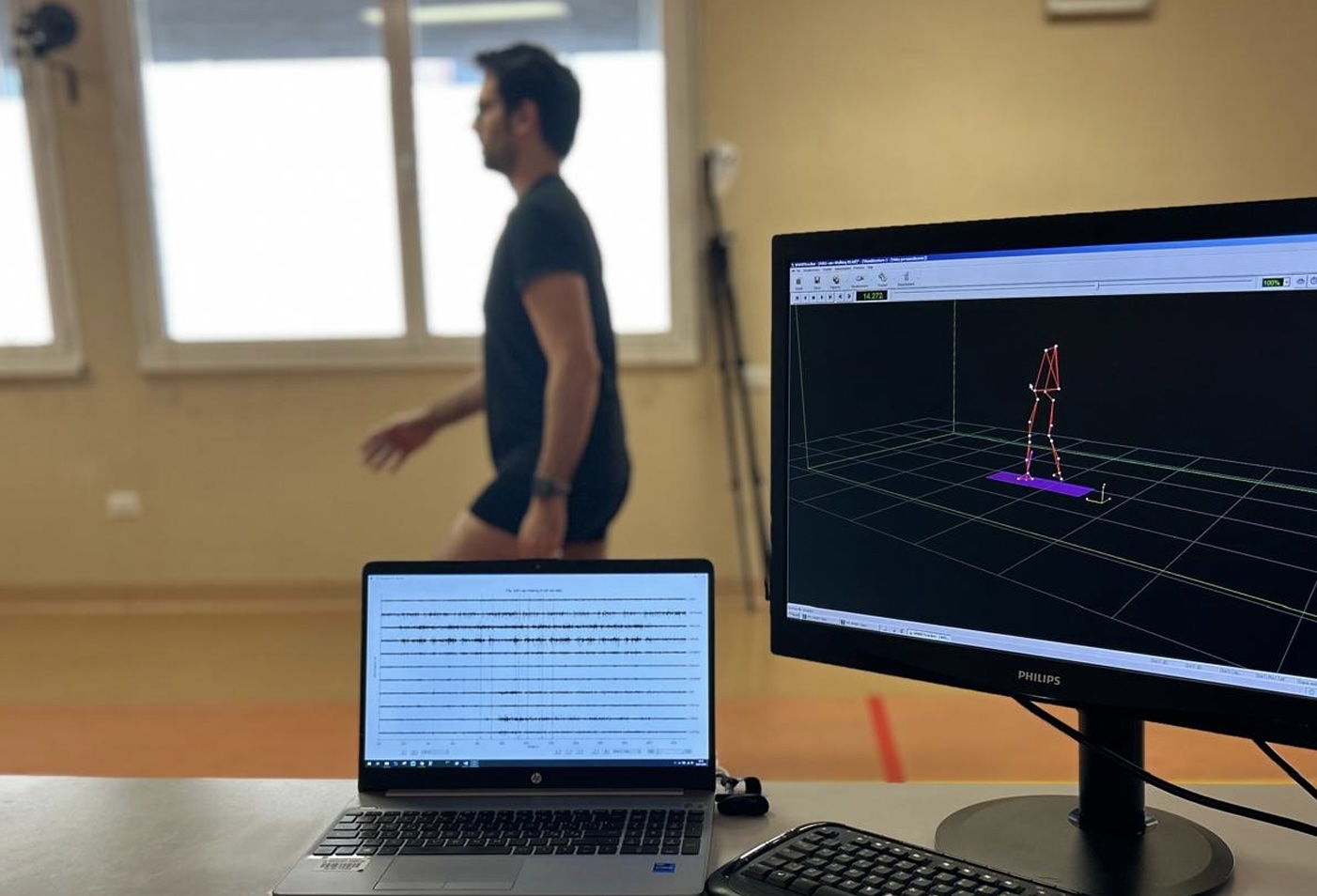
Stiff knee gait is a common condition in post-stroke patients, characterised by reduced or delayed knee flexion during the swing phase of gait. The standard treatment for this deficit is botulinum toxin injection to the rectus femoris, which is considered responsible for braking movements because of its spasticity, as clinically assessed. However, the average increase – among studies – in knee flexion following treatment is of 7 degrees, as reported in the review by Tenniglo and Colleagues .
What’s the main cause of stiff-knee gait?
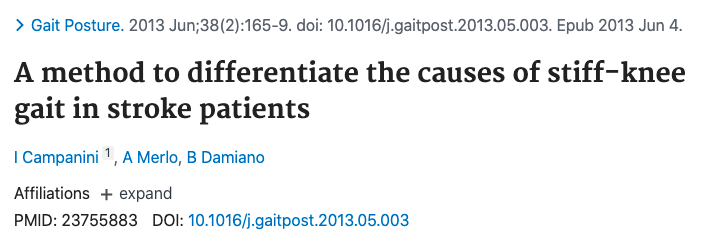
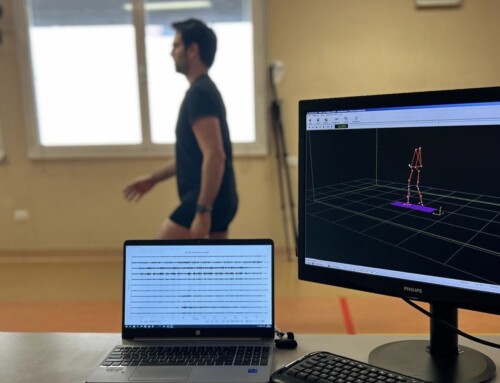
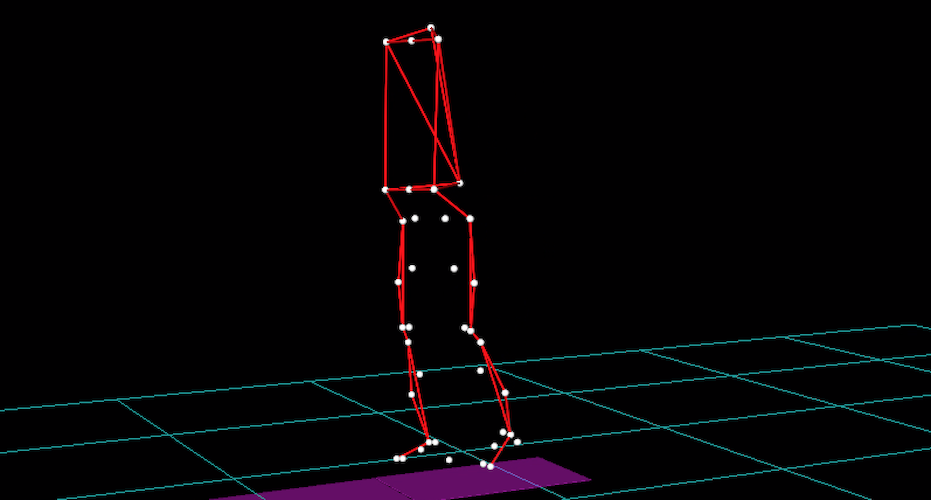
At the Movement Analysis Laboratory of Correggio (Azienda USL – IRCCS di Reggio Emilia), we created a model to analyse this mechanism, based on instrumental Gait Analysis. Despite being assessed as a spastic muscle during clinical evaluation, the rectus femoris appears to be responsible for only 19% of stiff knees. On the other hand, 74% of patients do not have a correct ankle push-off, which automatically impairs the flexion of the joint above: this is the real core issue of these patients! The study “A method to differentiate the causes of stiff-knee gait in stroke patients” can be found at this link https://pubmed.ncbi.nlm.nih.gov/23755883/
Can you imagine the impact on treatment appropriateness that could be obtained by combing clinical and instrumental evaluation?
We conducted a study to estimate how many more appropriate treatments a correct assessment can ensure, thus avoiding unnecessary healthcare costs.
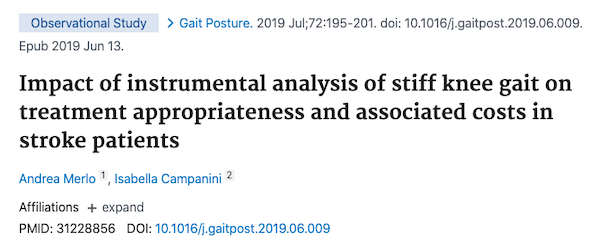
The outstanding results sparked a lot of interest and discussion and pave the way for new approaches to this condition. The cost-analysis of an appropriate assessment of stiff knee with gait analysis can be found here: https://pubmed.ncbi.nlm.nih.gov/31228856/