
Surface electromyography: use and awareness
The brachioradialis is a small muscle of the forearm that is often affected by structural and activity alterations in neurological patients. The potential of surface EMG is now widely known in bioengineering and rehabilitation. Most muscles have been studied in the literature and are analyzed in the daily clinic to support decision-making for surgical or conservative interventions. Given the brachioradialis size and its proximity with the intrinsic muscles of the forearm, electrode placement for the detection of sEMG from the brachioradialis muscle is rather complex and at high risk of cross-talk (i.e. a signal detected on the target muscle but generated by the motor units of another muscle). This must be avoided, especially when the sEMG signal is used to plan an intervention since it could lead to inappropriate decisions.
A new scoping review by the MBE team focusing on brachioradialis muscle
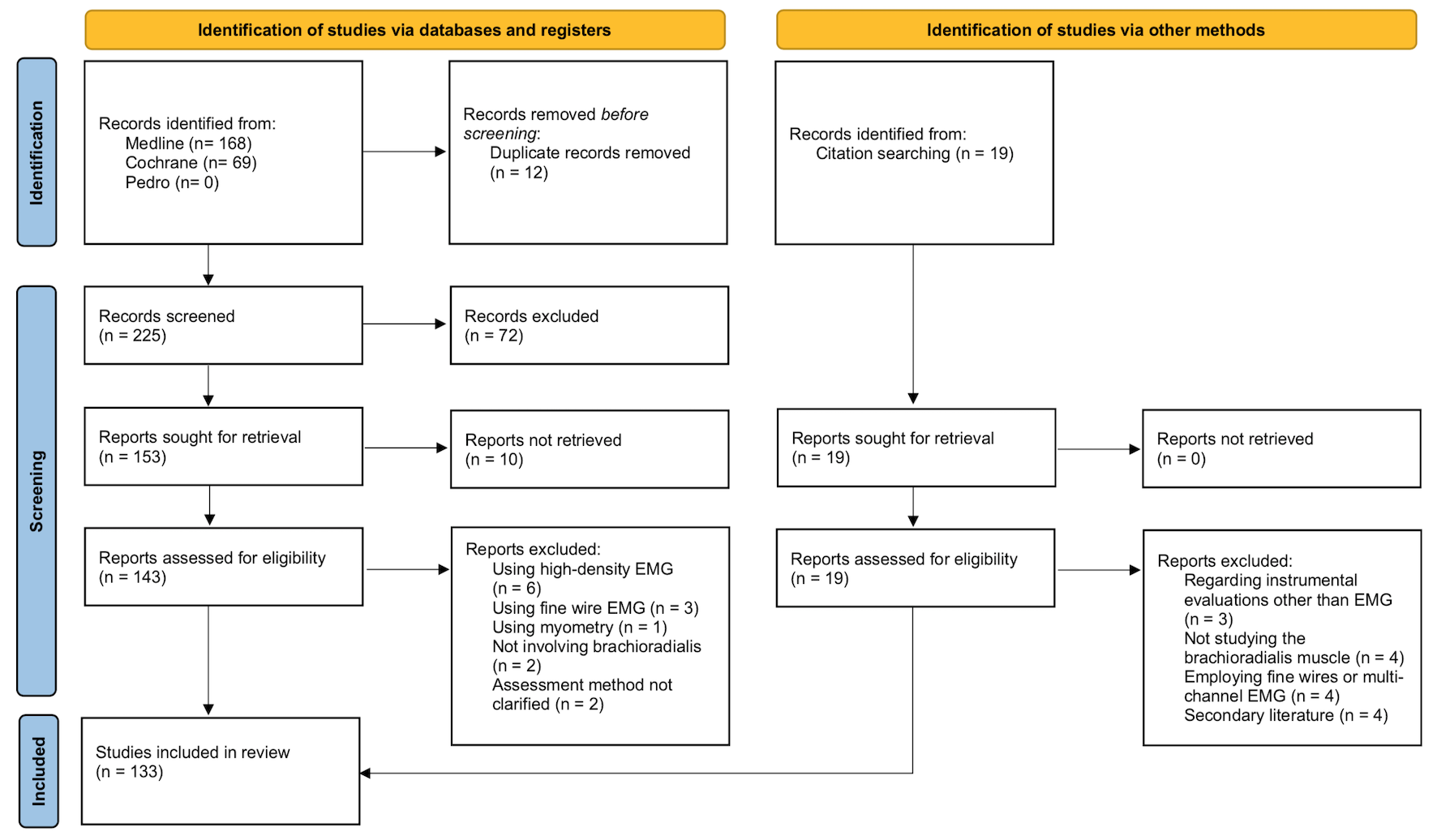
There are more than 130 studies in the literature measuring brachioradialis muscle activity by surface EMG. The MBE team recently published a scoping review entitled “Electrode Size and Placement for Surface EMG Bipolar Detection from the Brachioradialis Muscle: A Scoping Review”, in a special issue of Sensors, regarding how this muscle is detected and assessed. The full text can be found at this link.
Since we noted a general lack of awareness among clinicians with respect to electrode placement protocols, our goal was to provide and comment on existing guidelines on surface electromyography in the literature. We illustrated the guidelines by Cram, Barbero, and Basmajian and explained why the latter two are the most reliable. Small electrodes (diameter 3-5 mm) placed close to each other (interelectrode distance 8-10 mm) should be used. We recommended placing the electrodes slightly distal with respect to the innervation zone and aligned with the fiber direction. The minimum crosstalk areas for this muscle were reported.
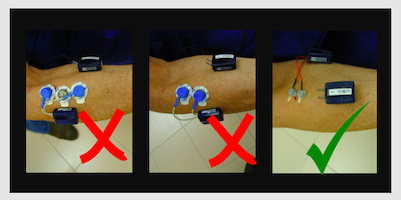
Taking as a model a study already presented at a 2008 SIAMOC congress by Merlo and colleagues working at the Motion Analysis Laboratory of the Sant’Anna Hospital of Ferrara, Italy, we also suggested authoritative sources and tutorials that clinicians can refer to in order to improve their daily practice in laboratories, aligning it with the best scientific evidence.
The clinical experience combined with the research skills of the MBE team has allowed us to successfully publish in a short time an extensive and articulated work as a scoping review on an influential journal such as Sensors.
If you would like to contribute with a scientific publication but need methodological support, do not hesitate to contact us. We will identify together the best study design and the appropriate journal for your work, and follow you step by step throughout the whole research, until the writing of your paper.