Women have always been leaders in rehabilitation practice, developing new techniques for the assessment and treatment of several types of patients.
With their intuition and eye for details, they paved the way in many fields, as for gait analysis or the evaluation of balance and muscle strength.
Many methods and approaches used daily by physical therapists worldwide were developed by women, even if their name is not always mentioned.
The Bobath approach in rehabilitation
The Bobath concept is probably the most popular method among rehabilitators for neurological patients in Western Countries. Did you know that it was developed by Berta Bobath and her husband Karel?
Bertha Bobath was a German physiotherapist born in 1907. Her background of gymnastic and dance instructor helped her working with patients with CNS injuries with grater insight.
In 1943 Berta was asked to treat Simon Elwes, a young painter suffering from a stroke:
When I arrived at his bedside, I found his arm and hand extremely stiff in flexion. Instead of doing what I had been taught – exercises –, I observed the patient. Slowly, through trial and error, with observation and reasoning I began to connect what he was doing in response to what I was doing. It worked better than anything before then.
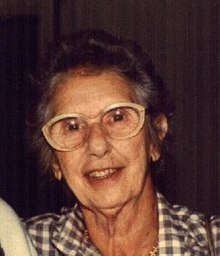
Through observation and clinical reasoning, Bertha Bobath, with the help of her neurologist husband, developed a complex approach still used today on adult and child patients with congenital or acquired neurological lesions. She strongly supported the development of multidisciplinary teams around the patient, on which modern rehabilitation lays its foundation.
The proprioceptive neuromuscular facilitation (PNF)
Proprioceptive Neuromuscular Facilitation is an advanced form of flexibility training. It involves both stretching and contractions of the muscle group being targeted in order to achieve maximum static flexibility.
It was developed by the physiotherapist Margaret Knott and Dr. Kabat, first described and applied to polio, multiple sclerosis, and rheumatic fever patients. In 1956, Dr. Knott and her colleague Dorothy Voss published the first textbook on PNF: “Proprioceptive neuromuscular facilitation patterns and techniques”.
PNF has become internationally recognized and widely used to restore functional range of motion in patients who have sustained soft tissue damage, received invasive surgeries, or suffered from neurological lesions. All activities within PNF intervention are directed towards a functional goal and are relative to the environment in which the goal is to be achieved.
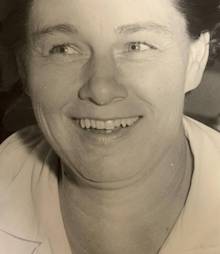
Women in the past and present have always provided outstanding contributions to the world of rehabilitation.
MerloBioEngineering discloses their credits by spreading awareness about their discoveries and creations.
Written by M. Chiara Bò, PT – MerloBioEngineering